



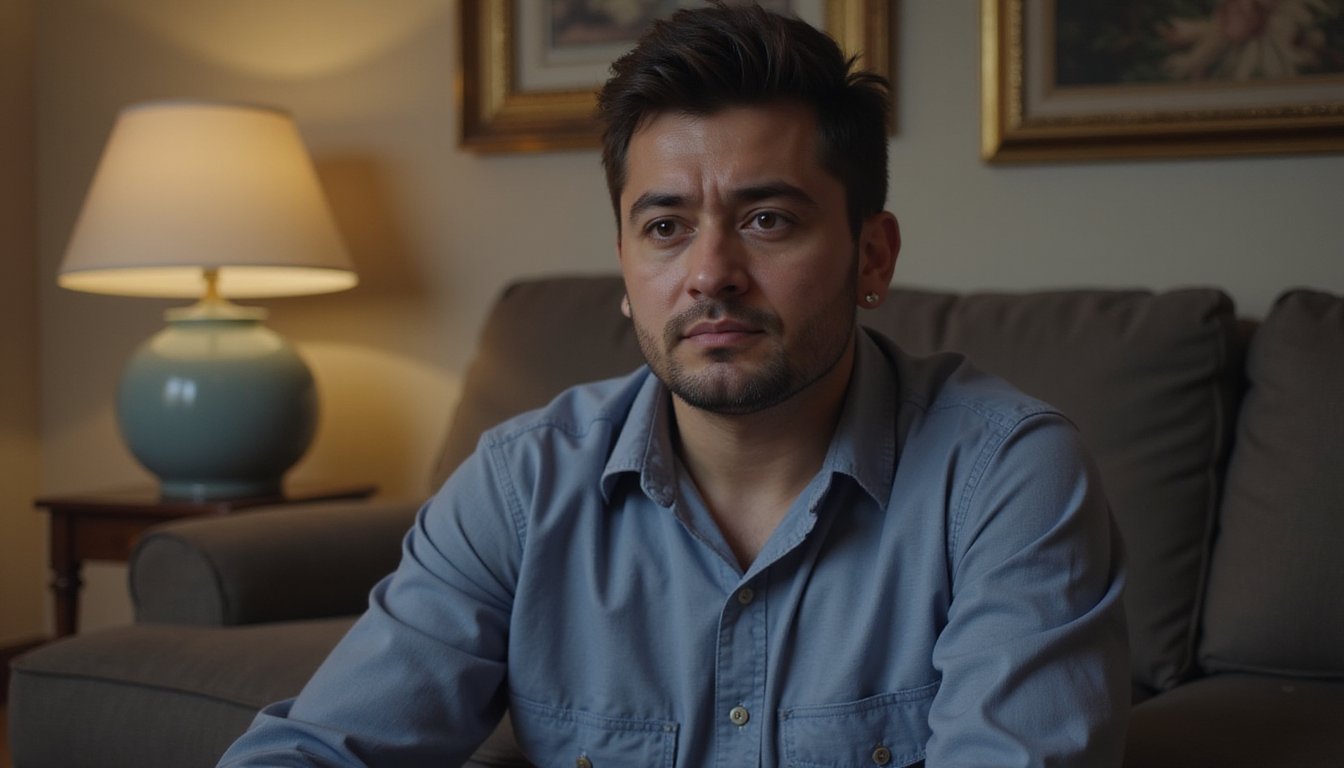


Daily habits that calm your nervous system work by directly regulating your autonomic responses. You’ll activate your parasympathetic system through controlled breathing techniques like box breathing or the 4-7-8 method, which stimulate the vagus nerve and lower stress hormones. Stepping outside reduces cortisol within minutes, while sensory grounding shifts your brain from threat detection to present-moment processing. Consistent sleep rituals train your nervous system for predictable shutdown. Each strategy below breaks down exactly how to build these habits into your routine. Signs of fight-or-flight mode can manifest in various physical and emotional symptoms. Recognizing these signs allows you to implement calming techniques effectively.
Breathing Techniques That Calm Your Nervous System Fast
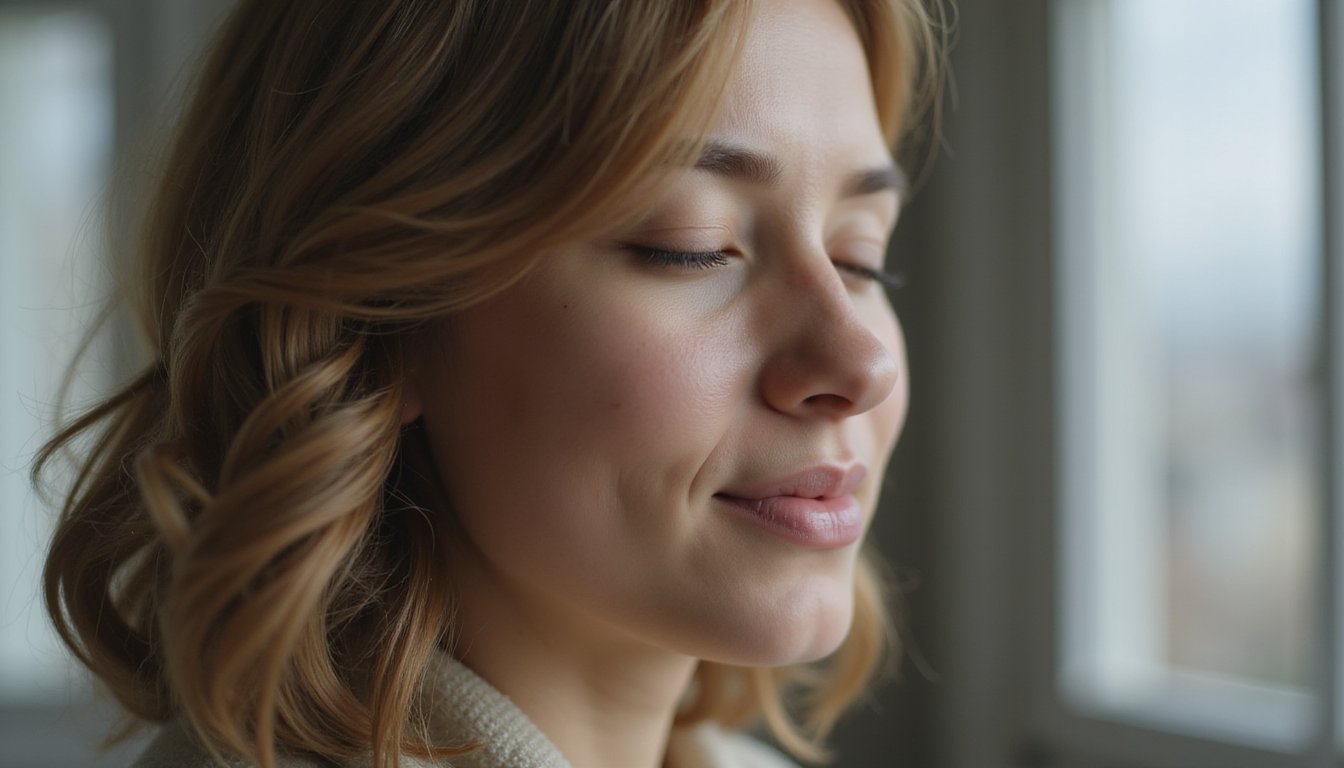
When your nervous system locks into a stress response, your breath is the fastest lever you have to shift it. Controlled breathing exercises nervous system regulation by activating the parasympathetic branch, lowering heart rate, and reducing stress hormones. Box breathing uses a 4-4-4-4 count pattern to ground racing thoughts. The 4-7-8 method extends your exhale to stimulate the vagus nerve, making it effective before sleep. Coherent breathing at five breaths per minute improves heart-rate variability, a key flexibility marker. Alternate nostril breathing balances hemispheric activity and reduces emotional reactivity. You don’t need all five techniques—pick one and practice daily. Consistent calming routines mental health professionals recommend build cumulative nervous system resilience over time. When breathwork alone isn’t enough, trauma-informed therapy can help process the deeper dysregulation patterns that keep your nervous system stuck in chronic stress.
Move and Ground Your Body to Release Stress
Breathwork resets your nervous system through respiratory control, but your body stores stress in muscle tension, postural patterns, and restricted movement—areas that breath alone can’t fully address. Progressive muscle relaxation targets this directly: starting at your feet, you tense each muscle group for 5-10 seconds, then release, training your nervous system to distinguish between activation and calm.
Somatic techniques like shaking, swaying, and rhythmic stomping discharge accumulated stress energy through deliberate movement. Grounding poses—child’s pose, mountain pose, legs-up-the-wall—anchor your attention in physical sensation rather than cognitive loops. Simple stretches like the cat-cow sequence, where you inhale while arching the back and exhale while rounding it, further alleviate tension and anxiety by focusing awareness on the sensations of each movement. Integrating these body relaxation techniques daily into a structured daily routine for anxiety relief systematically downregulates your stress response. Mindful walking reinforces this by shifting attention to heel-strike patterns and weight distribution.
Step Outside to Reset Your Nervous System

How quickly can stepping outside shift your nervous system state? Within minutes, outdoor exposure lowers cortisol levels, reduces blood pressure, and decreases adrenaline buildup. These measurable changes occur because nature activates your parasympathetic nervous system, triggering the “rest and digest” response.
Fresh air, natural light, and environmental sensory input—sounds, textures, temperature variations—stimulate vagus nerve responses that regulate your stress physiology. Walking outdoors increases dopamine production while flushing excess stress hormones from your body.
Outdoor time also resets cognitive function. It interrupts anxious thought loops, restores attention capacity, and eases mental fatigue caused by overstimulation. Individuals with ADHD and Autism may particularly benefit, as they often exhibit reduced vagal tone that makes activating relaxation responses more difficult. Among effective daily habits to calm your nervous system, stepping outside ranks among the most accessible ways to activate your parasympathetic system. Even a few minutes produces meaningful physiological shifts.
Sensory Grounding Tricks for Instant Calm
Stepping outside engages your senses naturally, but you can activate the same parasympathetic response indoors through deliberate sensory grounding—a technique that redirects your nervous system from threat detection to present-moment processing.
Sensory grounding techniques work by flooding afferent neural pathways with non-threatening stimuli. The 5-4-3-2-1 method systematically engages each sense: identify five visible objects, touch four textured surfaces, detect three sounds, notice two scents, and register one taste. This sequential activation shifts cortical processing toward environmental assessment, interrupting amygdala-driven anxiety loops.
Tactile inputs prove particularly effective—gripping a cold object or applying deep pressure through compression activates mechanoreceptors that signal safety. When practiced consistently, these become calming lifestyle habits mental health professionals recommend for managing panic, dissociation, and chronic hyperarousal without requiring specialized equipment or training environments.
Create a Sleep Routine That Restores Your Nervous System
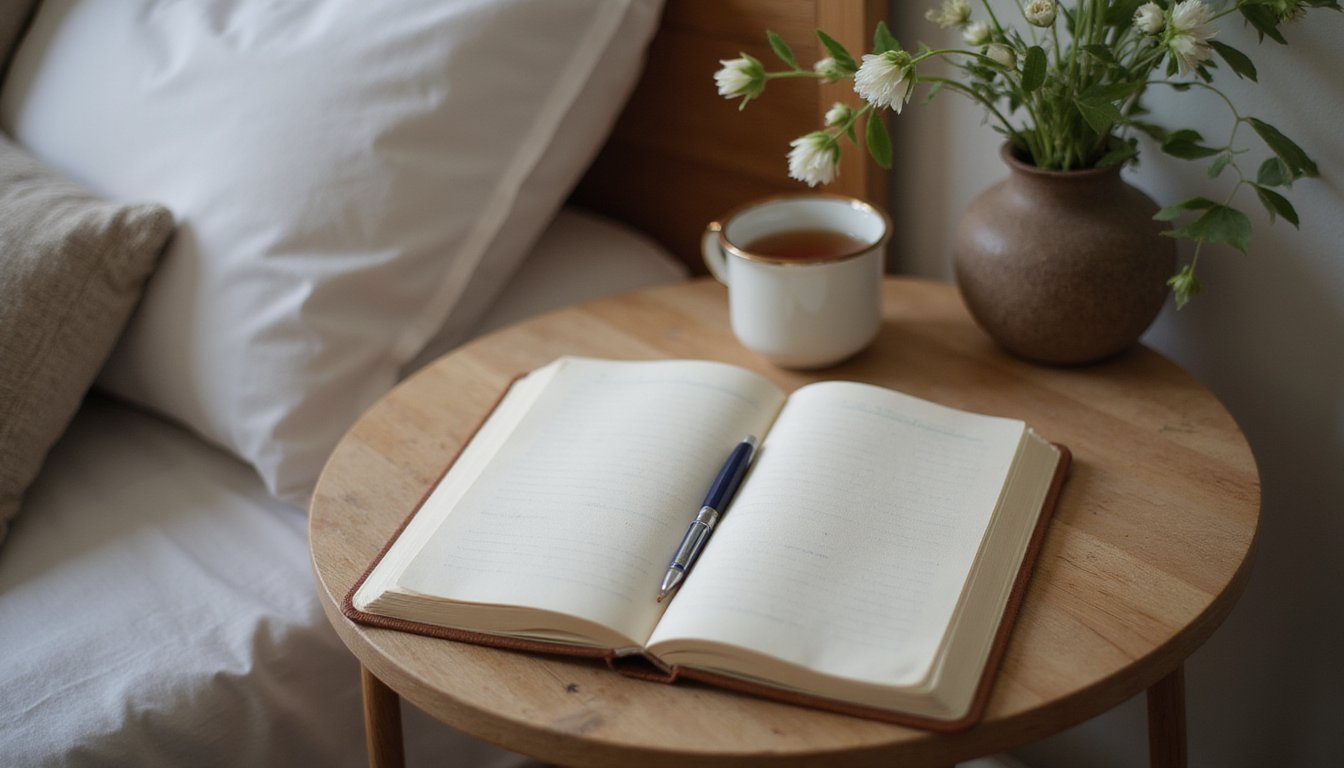
To create a sleep routine that restores your nervous system, set your bedroom between 60-67°F, install blackout curtains, and eliminate blue light exposure one hour before bed. Layer in brown or pink noise to reduce mental stimulation. How to regulate your nervous system is crucial for achieving deep and restorative sleep. Incorporating breathing exercises and mindfulness practices during the day can also help maintain balance. Consider setting aside time each evening to unwind and prepare your mind for rest.
Your stress management daily routine should include a 30-60 minute wind-down ritual: practice 4-7-8 breathing, journal for 5-10 minutes, and maintain consistent bed and wake times daily. These predictive signals train your nervous system that shutdown is appropriate.
Daily Rituals to Keep Your Nervous System Balanced
Although a single calming practice can offer momentary relief, it’s the repetition of small daily rituals that reshapes your nervous system’s baseline stress response. Structured daily practices—morning breathwork, midday body scans, and evening decompression—create predictable safety cues your autonomic system learns to anticipate.
Begin mornings with slow breathing at fewer than six breaths per minute to activate parasympathetic tone. At midday, unclench your jaw, soften your shoulders, and take three deliberate breaths. Use scheduled reminders through apps like Mindfulness Bell to prompt automatic check-ins before changes.
These stress reduction habits don’t require complexity. Bilateral tapping, temperature grounding, or 30 seconds of rhythmic movement between tasks compound over time, progressively lowering your nervous system’s reactivity threshold. Why you feel constantly on edge can often be traced back to the buildup of daily stressors. Recognizing the triggers that contribute to this sensation is essential for implementing effective coping strategies.
Reconnect With Calm and Balance
Living in a constant state of stress or overstimulation takes a heavy effect on both your body and mind. At Dynamic Behavioral Health in Tarzana, CA, our skilled team provides trusted Holistic Wellness care with empathy, balance, and a personalized approach. Call (820) 200-5275 today and take the first step toward healing.
Frequently Asked Questions
How Long Does It Take for Daily Calming Habits to Show Noticeable Results?
You’ll notice measurable neurological changes within minutes—your brainwaves shift toward alpha and theta states after just 2-3 minutes of practice. With consistent 10-minute daily sessions, you’ll observe improvements in emotional regulation and stress reduction within the first few weeks. However, it takes approximately 66 days for these habits to become automatic. After 8 weeks of sustained practice, you’ll experience significant, lasting improvements in memory, mood, and overall cognitive function.
Can Calming Nervous System Habits Replace Medication for Anxiety Disorders?
Research doesn’t support fully replacing medication with calming habits alone for diagnosed anxiety disorders. You’ll find these practices meaningfully reduce symptoms—mindfulness-based interventions have shown non-inferior results to escitalopram in clinical trials—but individual variability and symptom severity determine effectiveness. If you’re managing mild to moderate anxiety, daily habits can produce substantial improvements. For moderate to severe cases, you’ll achieve the strongest outcomes by integrating these habits alongside medication and professional guidance.
Which Daily Habits Work Best for People With Chronic Pain or Illness?
Deep breathing, gentle movement, quality sleep, and strategic pacing work best for managing chronic pain. You’ll want to practice conscious breathing for 1–2 minutes to activate your parasympathetic system. Incorporate 150–180 minutes of moderate exercise weekly—it creates new neural pathways that counter ingrained pain circuits. Follow the Pomodoro method (25 minutes activity, 5 minutes rest) to prevent overexertion. Maintain consistent sleep-wake times and practice coping skills throughout the day before pain escalates.
Should Children and Older Adults Follow Different Nervous System Calming Routines?
Yes, you should adjust calming routines based on age. Children’s developing brains require concrete, sensory-rich techniques—like hand tracing with breathing or deep pressure input—because they can’t easily follow abstract instructions. You’ll also want to time practices differently: younger children respond better to calming techniques earlier in the day, while older children benefit from evening practice. Older adults use the same core mechanisms—extended exhale breathing and vagus nerve activation—but need fewer modifications.
How Do Caffeine and Alcohol Consumption Affect Nervous System Regulation Efforts?
Caffeine directly undermines your calming efforts by blocking adenosine receptors—the very neurotransmitter that promotes relaxation and sleep. It triggers adrenaline and cortisol release, accelerating your heart rate and heightening anxiety, which counteracts nervous system regulation practices. Caffeine also alters dopamine, norepinephrine, and serotonin levels, disrupting emotional balance. Unfortunately, the available research doesn’t address alcohol’s specific effects on these regulation efforts, so you’ll want to consult your healthcare provider for personalized guidance.