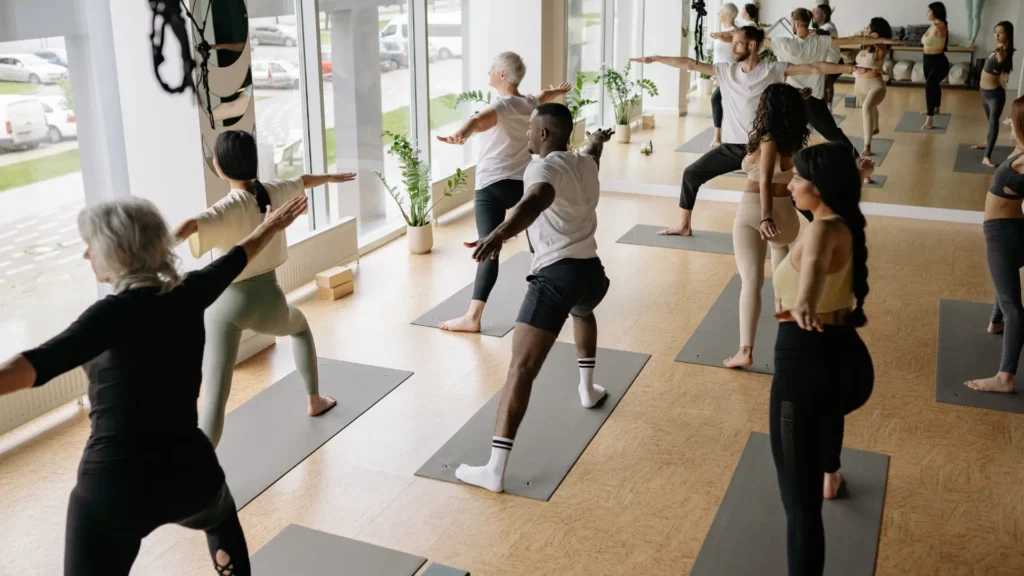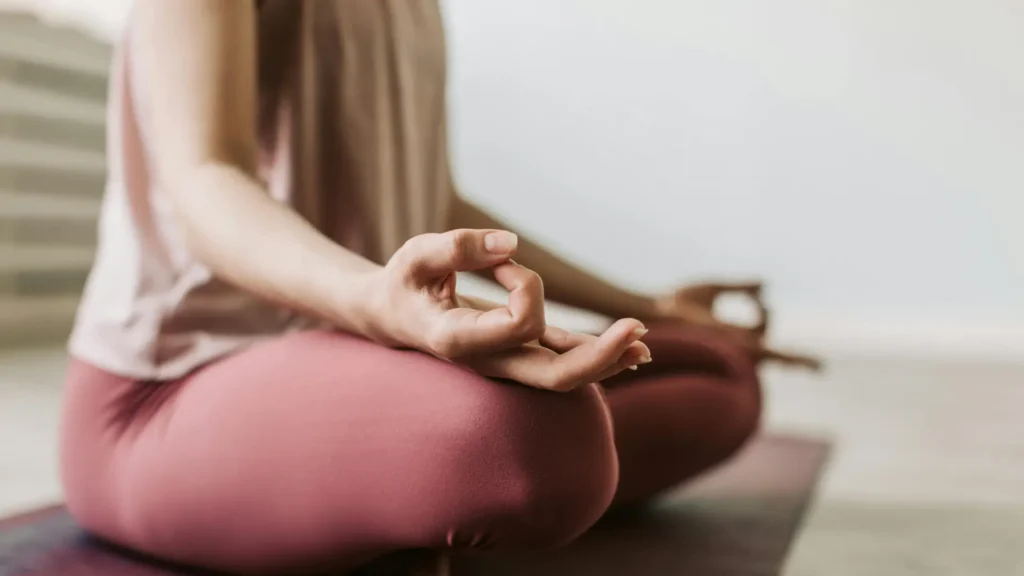
Holistic wellness at Dynamic Behavioral Health uses body-based practices like yoga, acupuncture, sound-bowl therapy, and mindfulness to support mental health alongside clinical treatment. Mental health lives in the body as much as the mind, and these practices work directly on the physical side of stress, anxiety, and trauma. They complement therapy and medication rather than replacing them, and our admissions team can verify your insurance whenever you are ready.
Why the Body Belongs in Mental Health Care
Mental health is not only in your head, and that is the whole reason this part of care exists. Anxiety shows up as a racing heart and a clenched stomach. Trauma lodges in the body as tension and a startle response that fires before thought. Depression drains physical energy, and stress wrecks sleep. The mind and body are one system, and a difficulty in one runs straight into the other.
That connection cuts both ways, which is what makes body-based practices useful. Just as a distressed mind creates physical symptoms, calming the body can settle the mind. Practices that slow the breath, release tension, and quiet the nervous system reach the physical side of a mental health condition directly, in a way that talking alone sometimes cannot. This is not an alternative to clinical treatment; it is a way of working on the same problem from the other direction.
The Practices We Offer
Rather than a vague notion of balance, our wellness services are specific, named practices, each doing a particular job. Yoga combines movement, breath, and attention, releasing the physical tension that anxiety and trauma store in the body while building a calmer relationship with it. Acupuncture, an established practice with a long history, is used to support relaxation and ease the physical symptoms of stress. Sound-bowl therapy uses resonant tones to guide the body into a settled, meditative state, a form of deep relaxation many people find easier to reach through sound than through effort.
Alongside these, mindfulness and stress-reduction practices train the ability to stay present with your thoughts and emotions without being swept away by them, which supports emotional regulation and eases anxiety. Guided relaxation techniques, including breathing exercises and meditation, give you concrete tools to reduce tension and find mental clarity in the moment. None of these require any prior experience, and each is guided. Crisis intervention techniques provide immediate support during high-stress situations. These strategies help individuals manage emotional responses, build resilience, and feel supported during challenging times.
What These Sessions Are Actually Like
If yoga, acupuncture, or sound therapy sound unfamiliar or a little intimidating, it helps to know what they involve, because the reality is usually gentler than the idea. A therapeutic yoga session is not an athletic class; it moves slowly, emphasizes breath and gentle movement over difficulty, and can be adapted to any body and any fitness level, including practicing from a chair. Acupuncture involves the placement of very thin needles at specific points, which most people find far less uncomfortable than they expect, followed by a period of quiet rest that is itself part of the effect. A sound-bowl session asks nothing of you at all: you lie or sit comfortably while resonant tones fill the room, and the body tends to settle on its own. Across all of them, you are guided the whole way, nothing is forced, and you can stop or adjust at any point. The aim is a genuine drop in physical tension, not a performance.
Building Habits That Hold
Part of wellness work is less about a single session and more about what you carry out of it. Healthy lifestyle development focuses on the daily foundations that mental health quietly depends on, sleep, movement, routine, and the ordinary structure of a day, which are often the first things to fall apart when someone is struggling and among the most stabilizing to rebuild. Small, sustainable changes here tend to do more for mental health over time than any single dramatic intervention. Dynamic behavioral health highlights the value of daily habits that support mental well-being. Consistent routines can strengthen resilience and create a solid foundation for overall wellness.
Emotional awareness and self-care round this out, helping you notice what you are feeling earlier and respond to it with something other than self-criticism or avoidance. Learning to recognize your own warning signs and to treat yourself with basic care is a skill, not a personality trait, and it is one that can be built. Together these turn wellness from something that happens in a session into something woven into how you live.
Grounded Practices, Not Empty Ritual
Body-based practices sometimes get dismissed as soft or unserious, so it is worth being clear about why they are part of real clinical care. The link between the body and mental health is not mystical; it is physiological. Chronic stress and anxiety keep the body’s alarm system switched on, and practices that slow the breath and release muscular tension act on that system directly, shifting the body toward its rest-and-recover state. Mindfulness has a substantial research base for reducing anxiety and supporting emotional regulation, and the calming effects of slow breathing on the nervous system are well established. These are not a replacement for the science of therapy and psychiatry; they are an extension of it into the body, chosen because they do something measurable, not because they sound nice. Mental health treatment is increasingly recognized for its role in comprehensive care. A holistic approach that includes physical practices can greatly enhance recovery outcomes. By integrating body-based techniques, practitioners can provide patients with tools to manage stress and improve their overall well-being.
How This Fits With Clinical Treatment
These practices are a complement to clinical care, not a substitute for it, and that distinction matters. Yoga and sound therapy are not treatments for a mental health condition on their own; therapy, psychiatric care, and the structure of a treatment program do that work. What body-based practices do is support and strengthen that work, calming the nervous system enough that therapy lands better, easing the physical symptoms that make a condition harder to bear, and giving you tools to use between sessions.
That is why wellness here is integrated into treatment rather than offered on the side. For someone working through anxiety, the breathing and grounding tools directly address the physical spikes. For someone in trauma recovery, body-based practices help settle a nervous system that trauma has kept on high alert. For anyone in a structured program, these practices are part of the day, not an extra. The clinical work and the body-based work reinforce each other.
Who Wellness Practices Help
These practices help a wide range of people, and you do not need a specific diagnosis to benefit. They are particularly useful for the physical side of stress and anxiety, for the tension and hypervigilance that follow trauma, for sleep that has stopped coming easily, and for the general depletion that mental health struggles bring. They also help people who intellectually understand their situation but stay stuck in a state of physical activation that thinking alone has not resolved.
One quiet advantage of these practices is that they are portable. A therapy session ends when the hour is up, but a breathing technique, a grounding exercise, or a short mindfulness practice goes with you, ready for the moment in a parking lot, at a desk, or at 3 a.m. when the distress actually arrives. Part of the point of learning them in a guided setting is that they become yours to use on your own, which is its own kind of independence, a way to meet a hard moment with something other than waiting for it to pass or reaching for something that makes it worse.
These practices also earn their place because the body is so often where co-occurring struggles overlap. The same racing nervous system feeds anxiety, disrupts sleep, and drives the urge to reach for a substance that quiets it; calming that system can ease several problems at once. For people managing more than one condition, a tool that works on the shared physical foundation underneath them is not a minor addition. It works on the whole picture at once, which is why body-based practices sit comfortably inside integrated and dual diagnosis care rather than off to one side.
Getting Started
Wellness practices are part of the broader treatment we offer, and access to them starts with the same clinical evaluation that shapes the rest of your care. From there, the practices that fit your needs and preferences become part of your plan.
Our facility is in Tarzana, in the San Fernando Valley, and insurance is verified quickly and confidentially through our admissions team. When you are ready, one call starts at (820) 200-5275. If you are in crisis or thinking about harming yourself, call or text 988 first, and this work can begin once you are safe.
Medically reviewed by Courtney S. Scott, MD, Medical Director at Dynamic Behavioral Health.Â