





Deep brain stimulation (DBS) works by delivering low-level electrical impulses through surgically implanted electrodes to specific brain regions you haven’t responded to with conventional therapies. For treatment-resistant depression, it targets the subcallosal cingulate and achieves a 56% response rate, with long-term studies showing up to 81% symptom reduction after five years. You’ll face risks like brain hemorrhage (2-3%) and potential cognitive changes, including verbal fluency decline. Below, you’ll find detailed breakdowns of efficacy, safety, and current access pathways.
How Deep Brain Stimulation Works for Mental Health
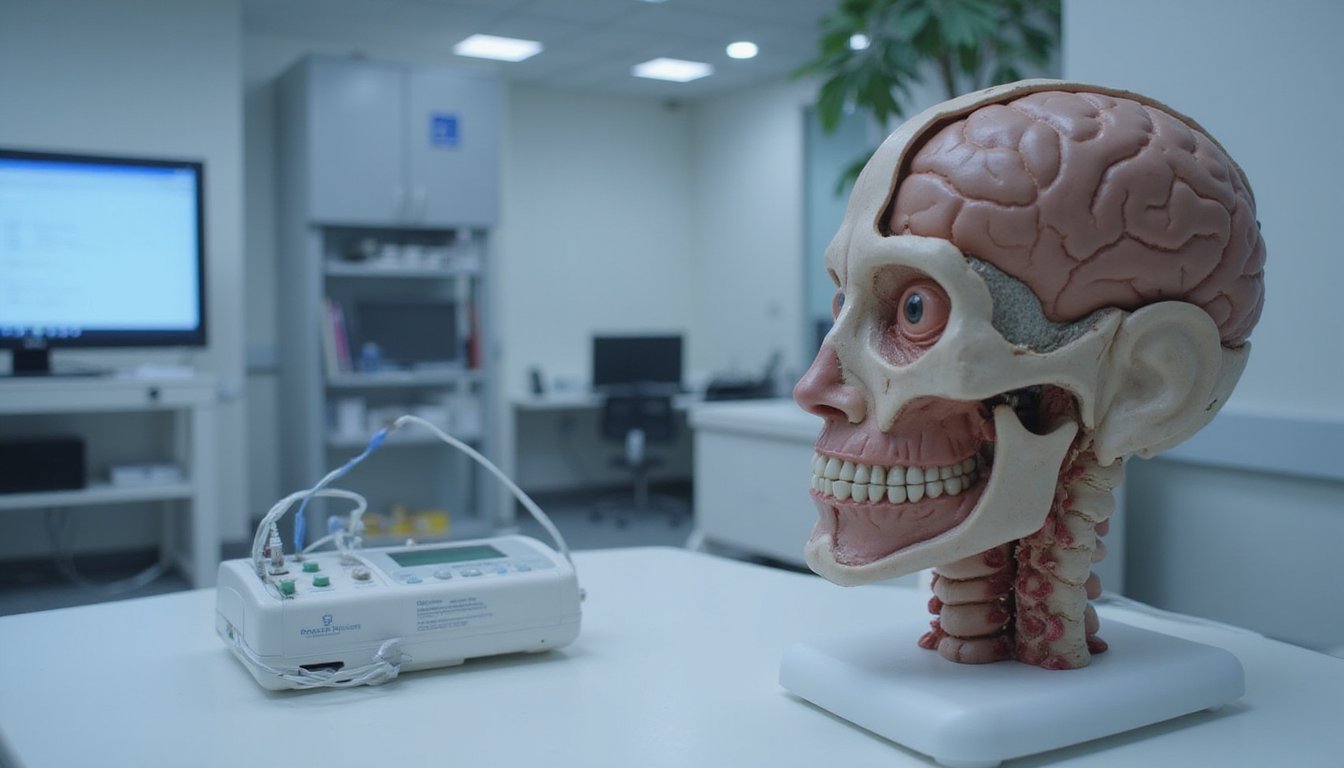
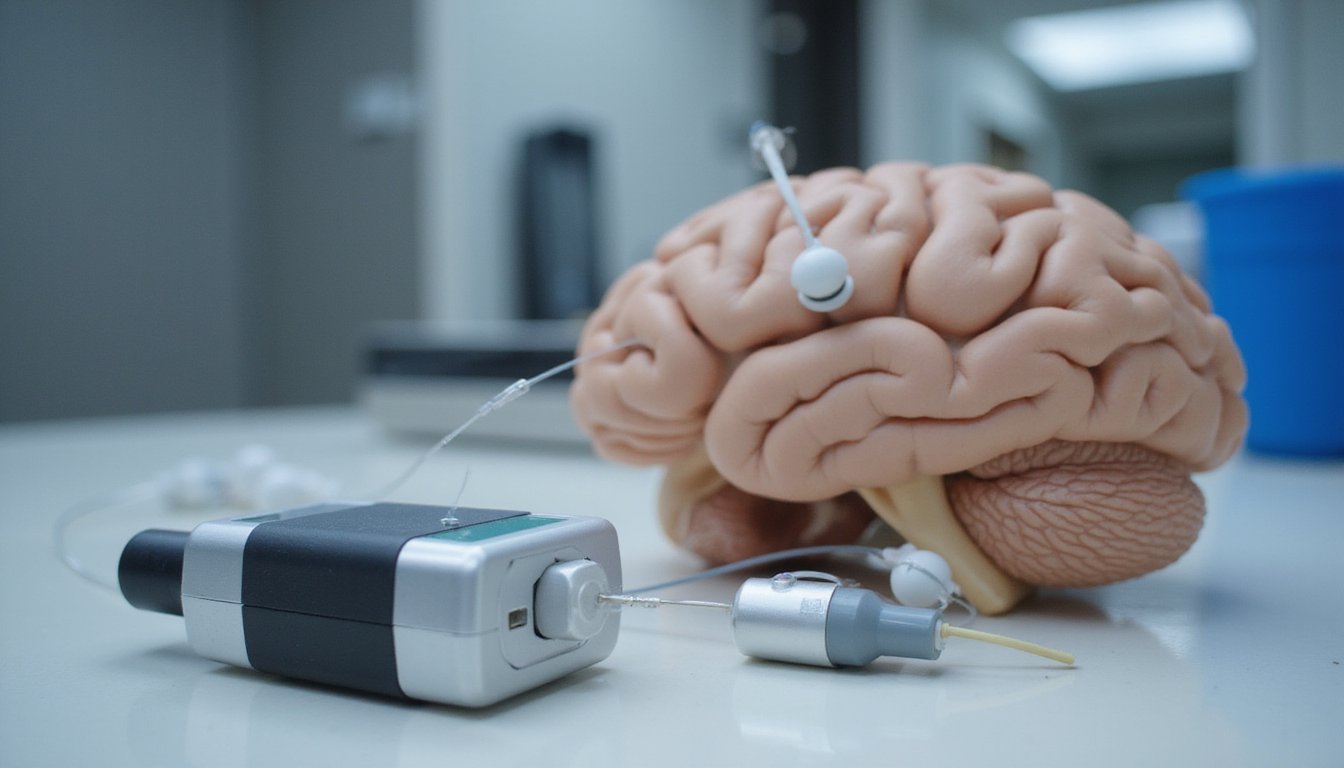
When treating severe mental health conditions that haven’t responded to conventional therapies, deep brain stimulation (DBS) offers a targeted, surgically precise approach. A neurosurgeon permanently positions electrodes in specific brain regions, connecting them to an implanted neurostimulator device. This system delivers low-level electrical impulses directly to affected neural circuits, functioning similarly to a cardiac pacemaker but within your cerebral tissue. The procedure carries specific complications, including the potential for seizures and confusion following stimulation.
With deep brain stimulation explained for mental health applications, you’ll find the mechanism involves high-frequency stimulation that excites passing white matter fibers from brainstem monoaminergic nuclei, producing antidepressant effects. Your clinician adjusts stimulation intensity and frequency based on your response. The procedure alters brain metabolism across cortical and subcortical regions, modulating the abnormal signaling driving your psychiatric symptoms.
How Psychiatric DBS Differs From Movement Disorder DBS
Although deep brain stimulation uses the same core technology across applications, psychiatric DBS diverges sharply from movement disorder DBS in diagnosis, evidence, and clinical adoption.
Movement disorder DBS relies on objective biomarkers like the DaTscan to confirm diagnoses before surgical intervention. You won’t find equivalent confirmatory markers for psychiatric conditions, where diagnosis depends on clinical assessment and subjective symptom presentation. This complicates patient selection considerably.
The evidence gap is substantial. Movement disorder DBS benefits from multiple randomized controlled trials showing 25% to 50% quality-of-life improvements. Psychiatric applications lack this robust foundation. Currently, intractable OCD remains the primary approved psychiatric indication, while DBS therapy for depression shows promise but isn’t widely established. Despite psychiatric DBS research predating movement disorder applications by a decade, clinical evidence development reversed their adoption trajectories. Historically, the initial motivation for developing DBS was to find less dramatic alternatives to electroconvulsive therapy, underscoring how psychiatric need originally drove the technology that movement disorder treatment later adopted more successfully.
Does DBS Work for Treatment-Resistant Depression?
When you receive DBS for treatment-resistant depression, surgeons typically target the subcallosal cingulate — a region centrally involved in mood regulation — where precise electrode placement can modulate dysfunctional neural circuits. You shouldn’t expect immediate relief; mood improvements unfold gradually over weeks to months, with over half of patients showing a 47% reduction in depression scores by the two-week mark and continued gains through twelve weeks and beyond. Clinical trials across seven DBS targets report average response rates of 56% and remission rates of 35%, offering meaningful hope if you’ve exhausted conventional treatments. Long-term follow-up data are particularly encouraging, with participants maintaining an 81% reduction in symptoms five years after the procedure.
Subcallosal Cingulate Target Area
The subcallosal cingulate—a small region nestled beneath the corpus callosum—has emerged as a primary target for DBS in treatment-resistant depression, though its clinical track record remains mixed. Researchers stimulate bilateral subcallosal cingulate white matter tracts to modulate mood-regulating circuits. Early open-label data showed a 60% response rate at six months, with 35% achieving remission. However, a 90-participant randomized controlled trial found no significant efficacy advantage over sham stimulation during its double-blind phase.
You should note that this target’s long-term data appears more promising—response rates held at 50% across 2–8 years of follow-up. The ongoing TRANSCEND trial aims to clarify these results definitively. While deep brain stimulation for anxiety disorders targets different circuits, the subcallosal cingulate remains depression research’s most extensively studied DBS site. Brain stimulation therapy has shown promising potential in treating various mental health disorders. Recent studies indicate that the effects can persist long after treatment, leading to sustained improvements in mood and anxiety levels.
Gradual Mood Improvement Timeline
While deep brain stimulation mental health applications produce acute behavioral shifts within minutes, the antidepressant response develops gradually through distinct phases:
- Two weeks: Over half of patients achieve a 47% reduction in Montgomery-Åsberg Depression Rating Scale scores.
- Eight weeks: You’ll typically notice improved sleep, better concentration, and decreased negative mood.
- Six months: Response rates reach 60%, with remission at 35%.
- Five years: 80% of completing patients sustain responder status, averaging 81% symptom reduction.
Critically, DBS targets white matter pathways rather than gray matter, requiring continuous stimulation. Discontinuation triggers rapid symptom relapse—this isn’t a curative intervention.
Clinical Response Rate Data
Across 17 studies spanning seven distinct DBS targets, a pooled meta-analysis places the overall response rate at 56% (range: 43–69%) and remission at 35% (range: 27–44%), defining response as greater than 50% improvement on the Hamilton Depression Rating Scale.
| Metric | Rate |
|---|---|
| Pooled Response | 56% (43–69%) |
| Pooled Remission | 35% (27–44%) |
| Recurrence After Response | 14% (4–25%) |
Short-term studies under one year show response rates from 20–91.7%, reflecting variability across protocols. At 12 months, you’ll typically see 53% response, climbing to 71% at an average 37.4-month follow-up. DBS for treatment resistant depression isn’t curative—cessation triggers symptom return. However, continuous stimulation maintains antidepressant effects, with recurrence rates estimated at just 14%.
Can Deep Brain Stimulation Cure Severe OCD?
How effectively does deep brain stimulation (DBS) address severe OCD—and can it actually cure it? DBS doesn’t cure OCD—it manages symptoms long-term. Symptoms typically return if you discontinue stimulation. However, deep brain stimulation benefits mental health markedly when conventional treatments fail.
Here’s what you should know about DBS outcomes for severe OCD:
- Approximately 66% of patients fully respond to treatment, with long-term studies showing 70.7% meeting response criteria.
- You’ll likely achieve maximum symptom reduction within 12–14 months post-implantation.
- Mood improvements can emerge within days, while OCD-specific relief requires weeks to months.
- Sustained efficacy is demonstrated across 5.3-year mean follow-up periods in studies of 155 patients.
DBS for Tourette Syndrome, Schizophrenia, and Beyond
Beyond OCD, researchers are actively investigating DBS as a treatment for Tourette syndrome, schizophrenia, and other psychiatric conditions that resist conventional therapies. Deep brain stimulation targets specific neural circuits to reduce severe tics in Tourette patients, with clinical studies showing measurable symptom improvement through precisely calibrated electrode placement. This brain implant therapy mental health application requires careful patient selection and ongoing programming adjustments.
For schizophrenia, advanced neuromodulation therapy DBS remains largely experimental, with limited clinical data currently available. Researchers are still identifying ideal stimulation targets. You should understand that DBS across these conditions carries surgical risks, including infection and hardware complications. Each application demands condition-specific protocols, reinforcing that DBS isn’t a universal solution but rather a targeted intervention for treatment-resistant cases.
Long-Term DBS Results: Do the Benefits Last?
When evaluating whether DBS delivers lasting psychiatric benefits, long-term follow-up data from treatment-resistant depression trials provide compelling evidence. You’ll find that 75% of participants met response criteria for more than half of their 4-8 year follow-up period, demonstrating DBS treatment’s durability across psychiatric conditions.
Key long-term outcomes you should consider:
- 63% average reduction in depression severity achieved by year one and maintained through extended follow-up
- 81% average symptom reduction observed among five-year follow-up participants
- Remission rates sustained at or above 30% throughout years 2-8
- Zero suicides recorded among treatment-resistant depression trial participants
You should note that symptoms return when devices malfunction, confirming continuous stimulation’s necessity. Recovery resumes once you restore active DBS delivery.
FDA Approval Status and How to Access DBS
Despite strong long-term efficacy data, DBS hasn’t secured FDA premarket approval for depression treatment as of April 2026—the device remains accessible only through clinical trial programs. The TRANSCEND trial currently represents your primary pathway for participation, with enrollment conducted through academic medical centers and specialized neurological facilities.
Within this dbs therapy overview, you should know candidate selection targets treatment-resistant depression populations specifically. Institutional review boards monitor all trial participation for safety oversight, and long-term efficacy data collection extends beyond initial treatment phases.
An optimistic timeline places potential FDA approval within five years from late 2025, contingent on pivotal study results demonstrating clear clinical benefit. Until then, you can’t access DBS outside research settings. Discuss trial eligibility criteria directly with your treating psychiatrist or neurologist.
Side Effects and Safety Risks of DBS
When you undergo DBS surgery, you face inherent procedural risks including brain hemorrhage (2–3% of cases), infection, seizure, and rare but documented stroke caused by blood vessel puncture during microelectrode placement. Beyond the operating room, you should know that long-term cognitive effects—including sustained cognitive decline, worsening depression, and increased anxiety—have been reported in some patients, with certain cases persisting for over two years post-surgery. Your treatment team will need to monitor you closely for these psychiatric and cognitive changes, as they can greatly impact your quality of life and may not fully reverse with stimulation adjustments.
Surgical Procedure Risks
Although deep brain stimulation offers a promising pathway for treatment-resistant mental health conditions, the surgical procedure itself carries inherent risks that you should thoroughly understand before consenting. Like any neurosurgical intervention, psychiatric brain stimulation DBS involves direct access to brain tissue, which introduces specific complications.
Key surgical risks include:
- Stroke — electrode placement can damage blood vessels, potentially causing hemorrhagic events.
- Infection — surgical sites and implanted hardware create infection vulnerability requiring monitoring.
- Numbness or tingling — nerve disruption during the procedure may produce persistent sensory changes.
- Speech difficulties — electrode positioning near language-related pathways can impair verbal function.
You should discuss these risks thoroughly with your neurosurgical team. Understanding each complication’s likelihood helps you make informed decisions about proceeding with this specialized treatment.
Long-Term Cognitive Effects
Beyond the immediate surgical risks, deep brain stimulation carries long-term cognitive effects that you’ll need to weigh carefully against its therapeutic benefits. Verbal fluency deterioration represents the most consistently documented decline, with moderate effect sizes affecting both semantic and phonemic domains. Long-term cognitive decline and dementia rates reach up to 32% in controlled studies, though these rates mirror natural disease progression.
Your pre-operative cognitive baseline strongly predicts outcomes. Greater executive dysfunction, poorer memory performance, older age, and higher levodopa doses all increase your risk. Brain connectivity between stimulation sites and hippocampal regions further influences whether you’ll experience decline or improvement, depending on existing hippocampal atrophy. While global cognition remains largely unaffected with proper screening, verbal fluency impairment can meaningfully reduce your communication abilities and quality of life.
Explore Innovative Care for Lasting Relief
When standard treatments haven’t worked, exploring advanced therapy options can be the turning point in your mental health journey. At Dynamic Behavioral Health in Tarzana, CA, our experienced team delivers reliable Mental Health Treatment with care, compassion, and a personalized approach. Call (820) 200-5275 today and begin a healthier chapter in your life.
Frequently Asked Questions
How Many Patients Worldwide Have Been Treated With Deep Brain Stimulation?
You’ll find that over 200,000 patients worldwide have received deep brain stimulation (DBS) implants over the past three decades, with some estimates exceeding 244,000. Approximately 12,000 DBS surgeries are performed annually. You should note that reported totals vary considerably due to differences in data collection methods and reporting periods across international healthcare systems. These figures encompass all approved indications, including Parkinson’s disease, essential tremor, dystonia, OCD, and epilepsy.
What Immediate Sensations Do Patients Report During DBS Surgery for Depression?
During DBS surgery for depression, you’ll typically report mood shifts, increased energy, and a heightened sense of connectedness when your surgical team stimulates the correct brain circuit. You may also experience temporary tingling sensations or mild facial pulling as they adjust stimulation parameters. These acute responses—including improved eye contact and feelings of motivation—serve as critical real-time indicators, helping your surgical team identify the ideal “sweet spot” for electrode placement.
How Long Does It Take to Notice Mood Improvements After DBS?
You may notice initial mood shifts within the first week after device activation, with depression scores declining by nearly 46%. However, the most significant improvements typically emerge during the three-to-six-month programming phase, as your clinical team fine-tunes voltage and frequency settings. You’ll likely experience incremental weekly gains in mood stability during this period. It’s important to know that long-term outcomes vary based on individual disease progression and patient-specific factors.
Can DBS Help With Addiction or Obesity-Related Conditions?
Yes, DBS can target addiction-related neural circuits. It modulates your nucleus accumbens—the brain’s reward center—cutting dopamine flow by nearly half and blocking the reward spikes you’d normally experience with drug exposure. Clinical studies show promising results: some opioid-dependent patients maintained abstinence for over three years, while alcohol-dependent patients reported complete absence of cravings at eight-year follow-up. You should know that research is still evolving, and personalized patient selection remains critical.
Is Deep Brain Stimulation a Reversible Procedure if Treatment Is Discontinued?
You can reverse DBS hardware-wise—surgeons can power off or surgically extract the leads and pulse generator without destroying brain tissue. However, you shouldn’t confuse device removal with full physiological reversibility. Your brain undergoes adaptive changes during prolonged stimulation that may persist after discontinuation. While DBS preserves neural structures unlike destructive procedures such as pallidotomy, some neurological adaptations aren’t easily undone, making the procedure only partially reversible from a biological standpoint.