





Sleep anxiety is a conditioned response where your brain starts treating bedtime as a threat rather than a time for rest. After repeated nights of poor sleep, your mind becomes hypervigilant—monitoring sensations, watching the clock, and anticipating exhaustion. This activates your sympathetic nervous system right when it needs to wind down, blurring the line between anxiety and insomnia. The good news is this cycle isn’t permanent, and there are evidence-based strategies that can help you reclaim restful nights.
What Sleep Anxiety Is and Why Bedtime Triggers It
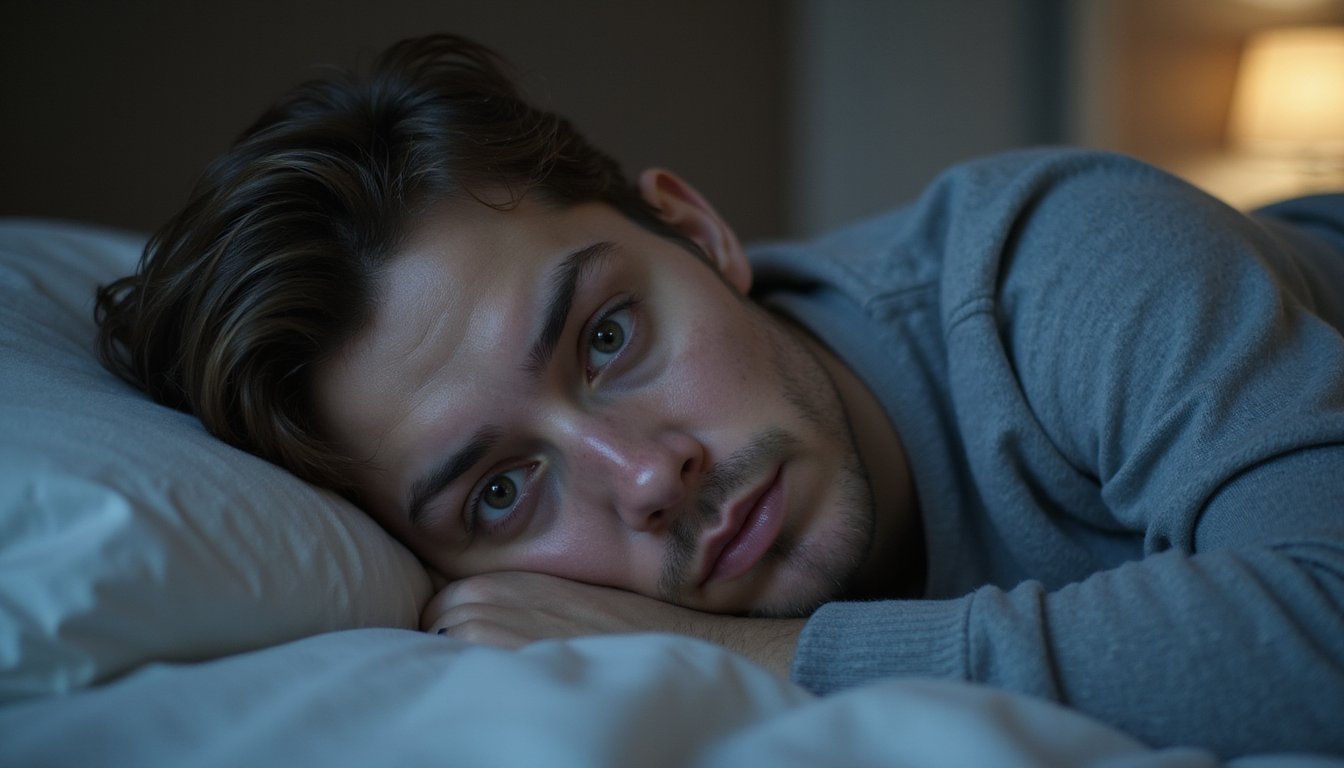
This condition often develops after repeated experiences with poor sleep. Your mind begins monitoring every sensation, watching the clock, and anticipating tomorrow’s exhaustion. That hypervigilance activates your nervous system precisely when it needs to wind down. The resulting pattern is considered a type of sleep disorder that blurs the line between anxiety and insomnia.
Researchers suggest an evolutionary component: sleep historically represented vulnerability, which may prime certain individuals toward heightened alertness at bedtime. Over time, this creates a self-reinforcing cycle where fearing sleeplessness produces the very wakefulness you’re dreading.
Why Sleep Anxiety and Poor Sleep Feed Each Other
Once that cycle takes hold, anxiety and poor sleep begin reinforcing each other through measurable biological changes. When you’re lying awake thinking “this anxiety keeping me awake won’t stop,” your brain is actively shifting into a more reactive state. This heightened stress also suppresses melatonin production at night, making it physically harder for your body to transition into deep, restorative sleep.
Sleep deprivation triggers three key neurobiological changes:
Sleep deprivation doesn’t just make you tired — it rewires your brain to be more anxious.
- Your amygdala becomes hypersensitive, amplifying your fight-or-flight response to perceived threats.
- Your prefrontal cortex loses regulatory capacity, reducing your ability to manage fear and emotional reactions.
- Cortisol and adrenaline levels rise at night, keeping your body physiologically aroused when it should be winding down.
Research confirms this isn’t just perception. A 10-year longitudinal study of over 25,000 adults found chronic insomnia independently predicted later anxiety disorder development.
Why Your Body Won’t Calm Down at Night

Even when you feel utterly exhausted, your body may refuse to settle because your sympathetic nervous system—the internal “gas pedal” that drives your fight-or-flight response—hasn’t downshifted. Prolonged stress keeps cortisol elevated past its natural nighttime drop, leaving you physically wired despite fatigue.
When daytime distractions fade, unprocessed stress surfaces. Racing thoughts grow louder in the quiet, and mental fatigue reduces your capacity to regulate emotions—intensifying the experience of anxiety at night. You can’t sleep because your nervous system doesn’t trust that it’s safe to stop monitoring. This hypervigilance often manifests as somatic symptoms like chest tightness and restlessness, making it even harder to surrender to sleep.
This isn’t a character flaw. Your body learned to stay alert through accumulated tension, chronic stress, or past trauma. Understanding this survival mechanism is the first step toward retraining your system to rest.
Why Sleep Anxiety Causes Nightmares and Disturbing Dreams
Because sleep anxiety keeps your nervous system on high alert, it doesn’t just make falling asleep harder—it also shapes what happens once you do sleep. Your brain actively processes recent emotions and memories during sleep, weaving them into dream narratives. When fear and stress dominate your waking hours, your dreams often follow the same patterns. during these times, it’s common to wonder why’s my anxiety worse at night. As the world quiets down, the mind can become a breeding ground for worries that were easily pushed aside during the day. This heightened state of alertness can lead to a cycle where anxiety disrupts sleep, creating a feedback loop that can feel impossible to escape.
Research links heightened anxiety to increased nightmare frequency. Among common sleep anxiety symptoms that fuel disturbing dreams, three stand out:
- Hyperarousal — keeping certain brain regions overactive during sleep, directly triggering nightmares
- Impaired fear extinction — continuing to activate fear-based memories instead of resolving them
- Sleep disruption — fragmented sleep reduces deep sleep stages, increasing nightmare occurrence
These nightmares can then intensify daytime anxiety, reinforcing the cycle.
How to Stop Sleep Anxiety Before Bed

Although sleep anxiety can feel overwhelming by the time night arrives, targeted strategies before bed can interrupt the cycle and help your body shift into a state that supports sleep. Begin a wind-down routine approximately one hour before bed that includes gentle stretching, slow breathing, or a warm bath with Epsom salt to activate your parasympathetic nervous system. In addition, consider herbal teas like chamomile or valerian root, as they are often recommended for what helps with anxiety at night. Creating a calm environment with dim lighting and relaxing music can also enhance your ability to unwind. Lastly, keeping a journal by your bedside to jot down lingering thoughts may help clear your mind as you prepare for restful sleep.
Use a bedside mental dump list to capture worries and to-do items, signaling your brain that those thoughts are recorded and can wait. Dim your lights, remove electronic devices, and keep your bedroom cool and quiet. These adjustments directly counter anxiety before sleep by reducing nervous system activation, helping you reclaim bedtime as a space for rest rather than dread. In addition to establishing a calming environment, consider incorporating breathing exercises or gentle stretches into your evening routine as a proactive measure for how to fall asleep with anxiety and depression. These activities can further ease the mind and body, promoting a sense of tranquility that is essential for restorative sleep. Making these practices a regular part of your pre-sleep regimen can enhance your ability to unwind and find peace at the end of a long day.
Call Now and Let Us Guide Your Healing
Restless nights and racing thoughts can take a serious toll on your overall well-being, but relief is within reach. At Dynamic Behavioral Health, we provide personalized Anxiety Treatment tailored to help you break the cycle of worry and reclaim peaceful nights. Dial +1 (820) 200-5275 now and connect with a team that is ready to stand by your side.
Frequently Asked Questions
Can Sleep Anxiety Develop in People Who Have Never Had an Anxiety Disorder?
Yes, sleep anxiety can develop even if you’ve never had an anxiety disorder. Research shows that sleep deprivation alone can trigger your brain’s fear response system, with nearly half of sleep-deprived individuals scoring at clinical anxiety levels. Poor sleep dysregulates stress hormones, impairs emotional regulation, and creates hyperarousal—mirroring neurological patterns seen in diagnosed anxiety disorders. You don’t need a pre-existing condition; disrupted sleep itself can establish the cycle.
Is Sleep Anxiety More Common in Children, Teenagers, or Adults?
Sleep anxiety tends to increase with age. Around 25% of children experience insomnia symptoms, rising to about 35% in adolescents and roughly 45% in young adults. You’re not alone if you’re struggling at any age, though. Research shows that sleep-anxiety connections strengthen across development, meaning the earlier you address sleep difficulties, the better your chances of preventing a persistent cycle from taking hold.
Should You See a Doctor or Therapist First for Sleep Anxiety?
Starting with your primary care physician makes sense because they can rule out medical causes, review your medications, and refer you to the right specialist. If your sleep anxiety stems mainly from worry and tension, a psychologist trained in CBT-I or anxiety treatment is typically your best next step. If symptoms are severe, a psychiatrist can prescribe medication to help you engage more effectively in therapy alongside behavioral strategies.
Can Medications Prescribed for Sleep Anxiety Actually Make Symptoms Worse?
Yes, they can. Some sleep medications list anxiety as a direct side effect, and your body can build tolerance over time, requiring higher doses that may intensify anxiety symptoms. If you stop taking them abruptly, you might experience rebound insomnia that’s actually worse than your original sleep difficulties, often accompanied by vivid nightmares. That said, this doesn’t mean medication can’t help—it means you’ll want careful medical supervision throughout the process.
How Long Does It Typically Take to Recover From Chronic Sleep Anxiety?
Recovery from chronic sleep anxiety typically takes 6–12 months with consistent treatment, though you’ll likely notice meaningful improvements sooner. CBT-I, the most effective approach, runs just 4–8 sessions and can produce measurable changes within weeks. Your timeline depends on severity, consistency, and whether you’re addressing underlying anxiety alongside sleep-specific patterns. You’re working with one of the most treatable conditions in mental health—steady effort genuinely pays off.