



When PTSD goes untreated, your symptoms often deepen rather than fade. Flashbacks, nightmares, and intrusive memories can grow more frequent, while anxiety and depression worsen. You may notice disrupted sleep, trouble concentrating, and harder emotional regulation. Avoidance can quietly reinforce fear, and substance use may increase as you self-medicate. Over time, work, relationships, and physical health can suffer, and safety risks may rise. Understanding how this cycle unfolds can help you recognize what’s happening.
Key Takeaways
- Symptoms often worsen over time, with flashbacks, nightmares, and intrusive memories becoming more frequent and remaining chronic for years.
- Anxiety and depression may deepen, increasing hopelessness and the risk of suicidal thoughts and self-harm.
- Avoidance reinforces fear and narrows life, while sleep disruption erodes concentration, memory, and emotional regulation.
- Substance use may rise as self-medication, straining physical health and creating a reinforcing loop with depression and chronic stress.
- Relationships and employment may suffer through withdrawal, irritability, and impaired functioning, increasing isolation and financial strain.
What Happens When PTSD Goes Untreated
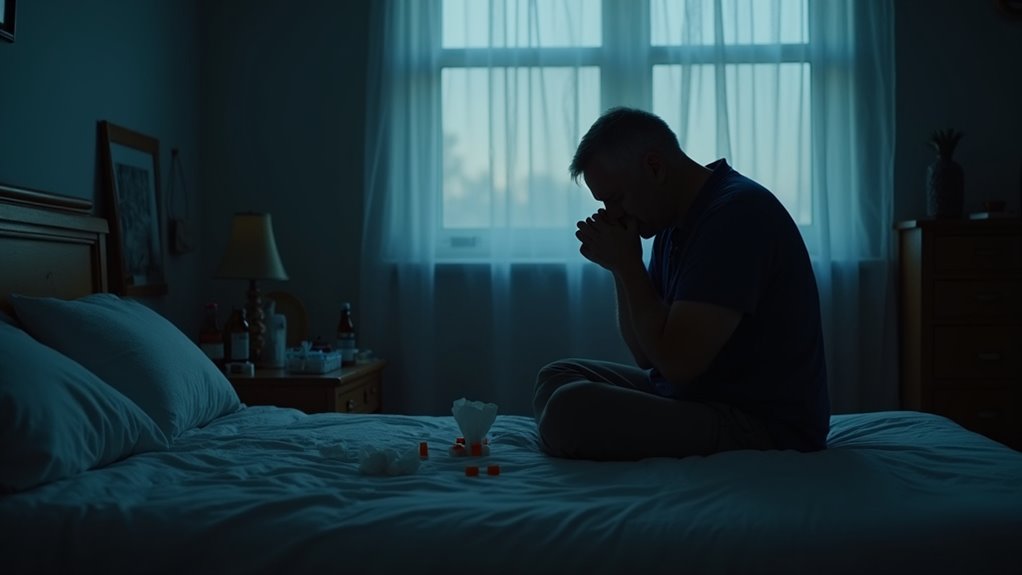
Untreated PTSD can worsen over time and affect your mental, physical, and social well-being. Your flashbacks, nightmares, and intrusive memories may grow more frequent, while anxiety and depression deepen. Without proper PTSD management, symptoms can remain chronic for years, sometimes a decade or longer after the trauma. Exploring residential care options for PTSD provides the support needed for healing. These facilities offer tailored therapeutic programs addressing both acute and chronic symptoms.
As untreated PTSD progresses, your risk of suicidal thoughts and self-harm rises, often alongside hopelessness and diminished coping capacity. You might turn to alcohol or drugs to self-medicate, which only complicates recovery.
Your work, relationships, and physical health often suffer too. Expect trouble concentrating, strained connections, disrupted sleep, and elevated cardiovascular risk. Understanding PTSD symptoms and treatment matters because early intervention interrupts this decline, protecting your mental, physical, and social well-being before complications become entrenched. Higher level care for PTSD can make a significant difference in recovery. It is essential to seek appropriate support from qualified professionals who specialize in trauma-informed therapy.
How Can Untreated PTSD Affect Sleep Concentration and Emotional Regulation
Untreated PTSD can disrupt sleep, impair concentration, and make emotional regulation more difficult, often causing these problems to worsen together. Insomnia and nightmares can leave you exhausted, and that fatigue can erode your ability to focus. You might notice concentration, memory, and decision-making problems interfering with work, school, and daily tasks. As these difficulties compound, emotional regulation can suffer too. You may feel persistent fear, numbness, or hypervigilance, and irritability or anger can surface without warning. Flashbacks and intrusive memories can become more frequent and disruptive over time, keeping your nervous system in a heightened state. Left unaddressed, this cycle tends to worsen, deepening anxiety and depression. Recognizing how tightly these functions connect helps you understand why early treatment matters so much.
How Can Avoidance Keep PTSD Symptoms Going Over Time

Avoidance can keep PTSD symptoms going over time by preventing your brain from learning that trauma reminders are not actually dangerous. Although avoidance feels protective in the moment, steering clear of reminders, such as places, people, conversations, or even your own thoughts, keeps fear reinforced. That short-term relief teaches you that avoidance is the only way to feel safe.
Over time, your world narrows. You might skip work, withdraw from relationships, or numb yourself with substances to escape distressing memories. Each avoided situation strengthens the cycle, keeping flashbacks, hypervigilance, and anxiety alive.
Because you are never processing the trauma, it stays unresolved. Breaking this pattern usually requires structured, evidence-based treatment that helps you gradually and safely confront what you have been avoiding.
How Do PTSD Depression Substance Use and Physical Health Problems Interact When Treatment Is Delayed
Delayed treatment allows PTSD, depression, substance use, and physical health problems to reinforce one another. When your symptoms go unaddressed, depression often deepens, and you may turn to alcohol or drugs to quiet intrusive memories or sleep. That self-medication worsens mood, disrupts rest, and strains your body, creating a cycle that’s hard to break alone.
| What Intensifies | How It Affects You |
|---|---|
| Untreated PTSD | Fuels depression and hopelessness |
| Depression | Increases substance use as coping |
| Substance use | Disrupts sleep and worsens mood |
| Poor sleep | Heightens pain and stress |
| Chronic stress | Damages cardiovascular and immune health |
Each problem amplifies the others, so addressing them early interrupts this reinforcing loop and protects your long-term health.
How Can Untreated PTSD Affect Work Relationships and Social Connection

Untreated PTSD can strain work relationships and make social connection feel difficult or unsafe. At work or school, symptoms can undermine concentration, memory, and decision-making, making it hard to stay productive or hold a job consistently. When employment becomes unstable, financial strain often follows.
Relationships suffer too. Emotional numbing and withdrawal can weaken your closest bonds, while irritability, anger, or aggression may spark conflict at home and among friends. Over time, you might isolate yourself, and loneliness can deepen.
If you’re a parent, your children or teens may show behavioral problems, peer difficulties, or social withdrawal of their own. Recognizing these patterns early gives you a chance to seek support before disconnection becomes entrenched.
When Can Untreated PTSD Become a Safety Concern
Untreated PTSD can become a safety concern when symptoms increase the risk of self-harm, suicidal thoughts, substance misuse, aggression, or danger to others. As trauma symptoms persist, your risk of suicidal ideation rises, and suicidal thoughts and attempts are recognized complications of the condition. When hopelessness deepens and your capacity to cope erodes, self-harm risk climbs alongside worsening depression and anxiety. You might turn to alcohol or drugs to quiet intrusive memories, but self-medication can increase impulsivity and further elevate danger. Emotional instability, irritability, and aggression may also put you or others at risk during conflict. If you’re experiencing thoughts of harming yourself, that’s a signal to seek help immediately. Reaching out to a crisis line, clinician, or trusted person can interrupt the escalation and connect you with effective treatment.
Can PTSD Treatment Still Help After Symptoms Have Been Present for Years
Yes, PTSD treatment can still help after symptoms have been present for years. PTSD can remain chronic for a decade or longer when left unaddressed, but duration doesn’t put recovery out of reach. Effective, evidence-based therapies work by targeting the underlying trauma responses that keep flashbacks, nightmares, and hypervigilance active, regardless of how long you’ve carried them. The PTSD healing process involves various therapeutic approaches that cater to individual needs. Engaging in supportive environments and building a strong support network can enhance the journey towards recovery.
Starting treatment now can reduce the intensity and frequency of intrusive memories, ease anxiety and depression, and lower your suicide and self-harm risk. It can also interrupt patterns like substance use that developed as self-medication over time.
You may also see improvements in sleep, relationships, and daily functioning. Reaching out after years of struggle isn’t too late, it’s a meaningful step toward reclaiming your quality of life.
Take the First Step Toward PTSD Recovery
Untreated PTSD can become harder to manage over time, but effective support can help you interrupt the cycle and move toward stability. Dynamic Behavioral Health provides specialized trauma recovery treatment in Tarzana, CA for people dealing with persistent trauma symptoms. Call (820) 200-5275 or verify your insurance today to explore the right level of care for your needs.
Frequently Asked Questions
Can PTSD Go Away on Its Own Without Treatment?
It’s unlikely. While some symptoms may ease over time, PTSD often doesn’t resolve on its own—and when left untreated, it commonly worsens. You might notice flashbacks, nightmares, and intrusive memories becoming more frequent and disruptive. Severe anxiety, depression, and even chronic symptoms lasting a decade or longer can develop. Without treatment, you’re also at greater risk for substance use and declining functioning. Seeking professional support gives you the best chance at recovery.
What Types of Therapy Are Most Effective for PTSD?
You’ll find the most effective PTSD treatments are trauma-focused therapies backed by strong evidence. Cognitive Processing Therapy (CPT) helps you reframe unhelpful trauma-related beliefs, while Prolonged Exposure (PE) gradually reduces avoidance by helping you face distressing memories safely. Eye Movement Desensitization and Reprocessing (EMDR) can help you process traumatic experiences too. If you’re struggling, reaching out to a qualified trauma therapist is a meaningful, hopeful first step toward recovery.
How Is PTSD Officially Diagnosed by Professionals?
A qualified mental health professional diagnoses PTSD through a structured clinical interview, evaluating your symptoms against established diagnostic criteria. They’ll ask about your trauma exposure and check for symptoms like intrusive memories, avoidance, negative mood changes, and hypervigilance lasting more than a month. They’ll also assess how much these symptoms disrupt your daily functioning. You might complete validated questionnaires too, helping them rule out other conditions and confirm an accurate, evidence-based diagnosis.
Are There Medications Specifically Approved for Treating PTSD?
Yes, two medications carry FDA approval specifically for PTSD: sertraline (Zoloft) and paroxetine (Paxil), both selective serotonin reuptake inhibitors. Your provider might prescribe one of these to ease symptoms like anxiety, intrusive memories, and low mood. Other medications are sometimes used off-label, but these two hold official approval. You’ll often find they work best alongside trauma-focused therapy, so don’t hesitate to discuss a combined approach with your clinician.
How Much Does PTSD Treatment Typically Cost?
I can’t give you exact figures, since costs vary widely based on your location, provider, insurance coverage, and treatment type. Therapy sessions, medications, and specialized programs each carry different price points. What I’d encourage you to weigh is this: leaving PTSD untreated often leads to worsening symptoms, substance use, and physical health decline—which can prove far costlier over time. Check with your insurer and ask providers about sliding-scale options.