






Neurofeedback therapy uses real-time EEG monitoring to retrain your brain’s electrical activity, targeting dysregulated patterns linked to anxiety, depression, ADHD, and PTSD. It works by placing electrodes on your scalp and delivering visual or auditory feedback that reinforces healthier brainwave states through operant conditioning. Research shows a 58.3% response rate for treatment-resistant depression and a 55% symptom reduction rate for anxiety. Below, you’ll discover how this approach applies to specific conditions and whether it’s right for you. Brain stimulation for depression and anxiety can offer a new avenue for individuals seeking alternative treatments. By targeting specific regions of the brain, this method aims to alleviate symptoms and improve overall mental health.
What Is Neurofeedback Therapy and How Does It Work?
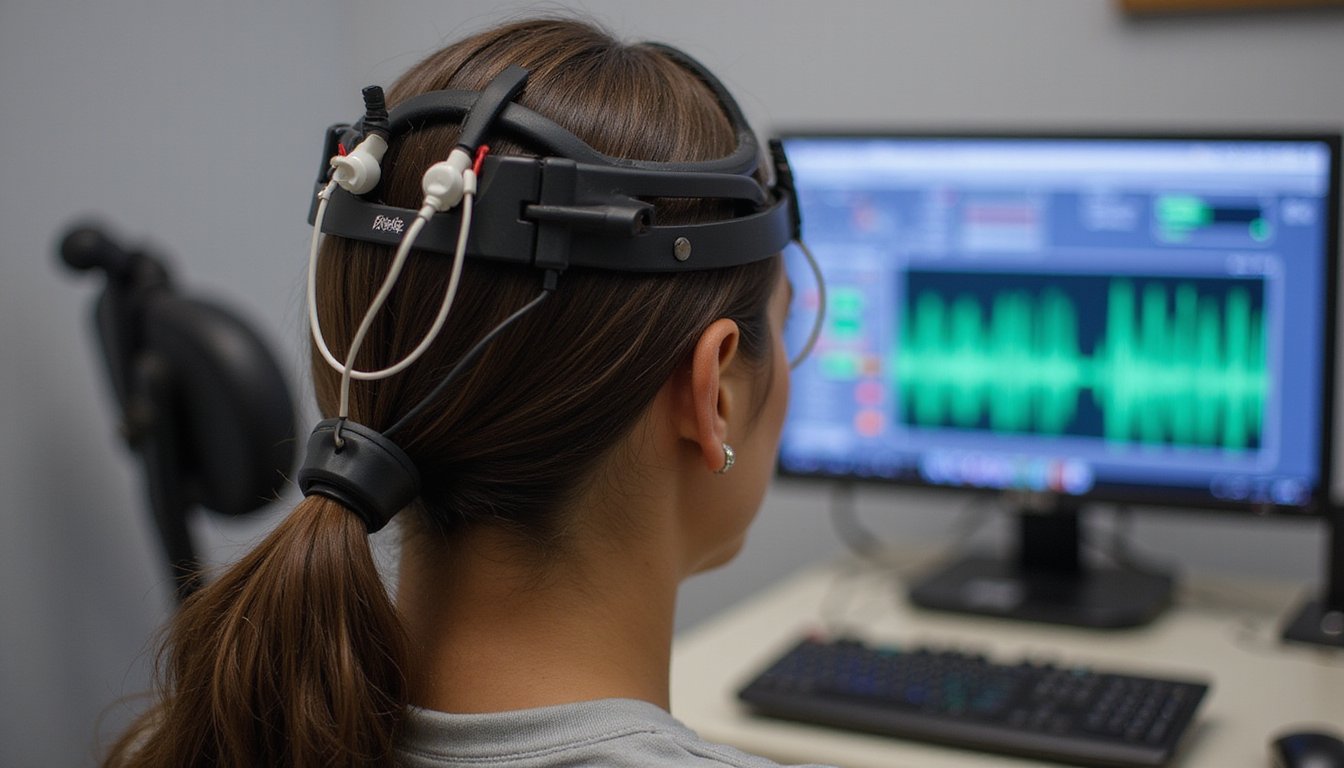
Neurofeedback therapy is a non-invasive brain training intervention that uses real-time monitoring of electrical brain activity to help individuals develop healthier neural patterns. It leverages neuroplasticity—your brain’s capacity to adapt and reorganize—to target dysregulation at the neural level.
Understanding how neurofeedback works starts with the technical setup. Electrodes placed on your scalp record brainwave activity via EEG, while specialized software interprets the data in real time. Clinicians map your brain’s electrical activity to identify under-functioning or poorly communicating networks. With neurofeedback treatment explained simply, customized protocols then deliver visual or auditory feedback—through games, music, or screen changes—that guides your brain toward ideal patterns. This process doesn’t involve electrical stimulation, distinguishing it from TMS or tDCS interventions. The training is guided by operant conditioning principles, reinforcing desired brainwave activity through positive feedback each time the brain produces targeted patterns.
Neurofeedback Therapy for Anxiety and Depression
When anxiety and depression stem from dysregulated brainwave patterns, neurofeedback therapy targets the problem at its neurological source rather than masking symptoms alone. Brain training therapy reduces limbic system hyperarousal, helping your brain shift from a stuck fight-or-flight state into balanced functioning. For anxiety, this means recalibrating beta wave activity to restore calm and build long-term stress resilience. Dbs treatment for mental health has emerged as a viable option for those struggling with severe mental health disorders. This innovative approach leverages technology to directly stimulate areas of the brain associated with mood regulation.
For depression, neurofeedback benefits mental health by using operant conditioning to reinforce positive neural patterns. A 2019 study on treatment-resistant depression demonstrated a 58.3% response rate after twelve weeks, with remission rates reaching 40–50% in clinical trials. As a non-invasive approach, neurofeedback for mental health carries minimal side effects, offering you a medication-free pathway to lasting emotional regulation. Through biofeedback treatment, sensors placed on the body detect anxiety-related abnormalities, and patients learn self-regulation techniques to normalize neurophysical functioning and support their recovery.
How Neurofeedback Therapy Helps ADHD, Sleep, and PTSD
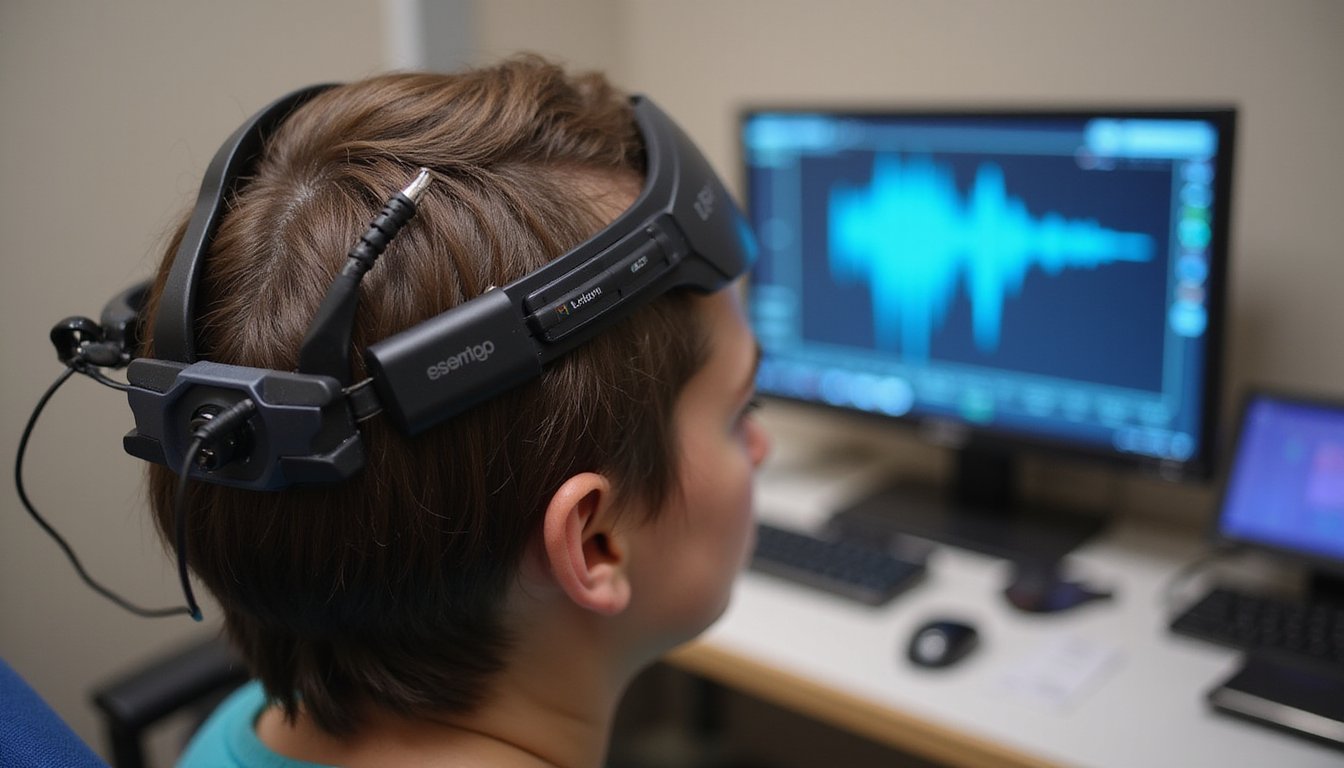
Beyond anxiety and depression, brain training therapy addresses other conditions rooted in dysregulated neural activity—including ADHD, sleep disorders, and PTSD. If you have ADHD, your brain likely shows elevated theta-to-beta wave ratios. Theta/beta ratio neurofeedback targets this imbalance across 20–40 neurofeedback therapy sessions, reducing inattention and hyperactivity as effectively as methylphenidate in randomized controlled trials.
For sleep difficulties, sensorimotor rhythm protocols regulate cortical excitability, directly influencing sleep mechanisms. Brain training for anxiety and ADHD overlaps here, since dysregulated arousal drives both conditions. Neurofeedback for emotional regulation also benefits PTSD by training your brain to modulate threat responses. Across 38 randomized trials involving 2,472 participants, standard protocols earned a “Level V: Efficacious and Specific” classification, with treatment gains persisting beyond medication discontinuation. Notably, neurofeedback’s effects appear to increase over time after treatment ends, contrasting with traditional stimulant medications whose long-term differences diminish.
Neurofeedback Therapy for Addiction Recovery
The alpha-theta protocol demonstrates measurable reductions in craving intensity and relapse rates among individuals with alcohol and substance dependence. Research shows this neurofeedback mental health treatment reduced self-reported cravings more effectively than pharmacotherapy alone in opiate-dependent patients. When integrated with medication-assisted treatment and cognitive behavioral therapy, neurofeedback can double recovery rates. Multivariate analyses confirm improvements in depression, somatic symptoms, and general mental health scores compared to control groups.
Is Neurofeedback Therapy Right for You?
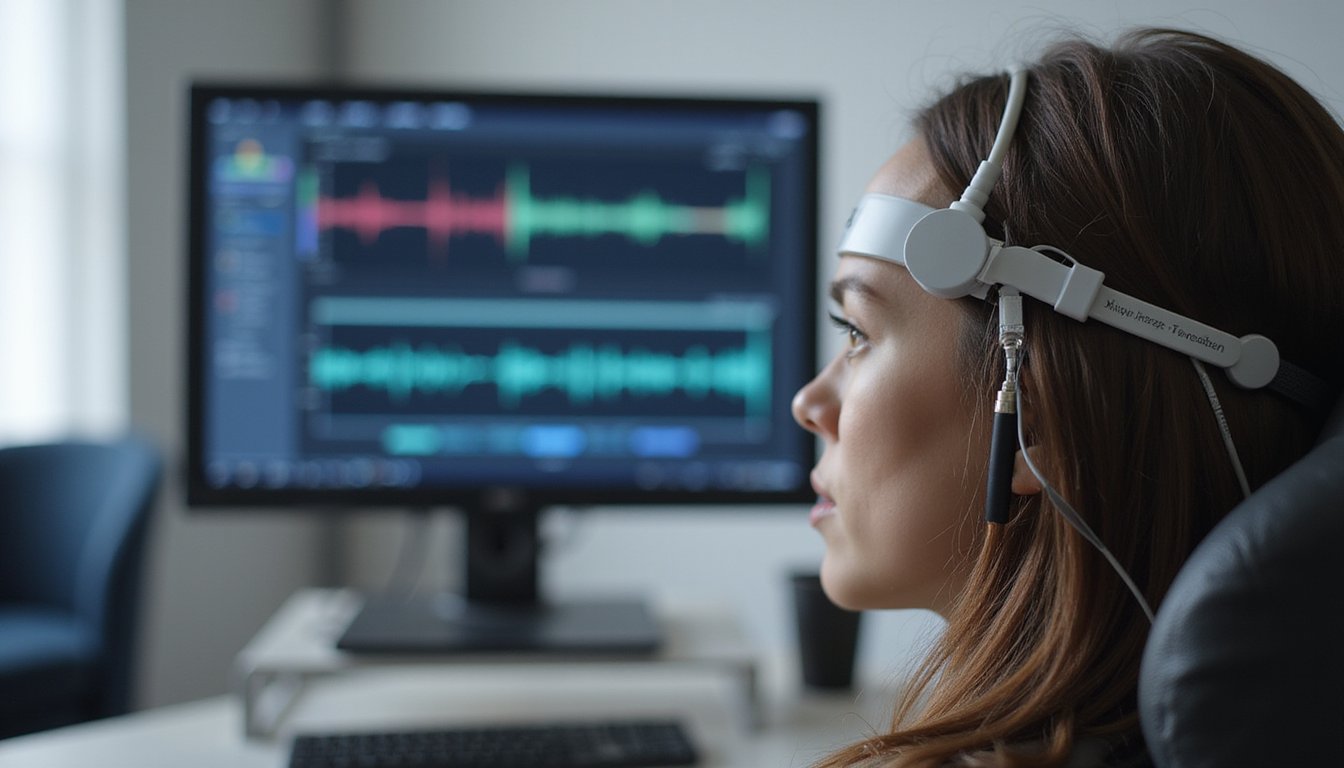
How do you know if neurofeedback therapy fits your specific needs? Consider this non invasive brain therapy if you’re managing conditions where self-regulation plays a central role. Research supports brainwave training therapy across multiple domains:
- Anxiety and depression — Studies show 55% of participants achieved clinically significant symptom reduction at four-week follow-up.
- PTSD — Seventeen studies demonstrated meaningful effect sizes on validated CAPS-5 and PCL-5 measures.
- ADHD — NIMH research confirms improvements in attention, executive control, and information processing.
- Cognitive enhancement — Training strengthens neural pathways supporting focus in academic and professional settings.
Neurofeedback therapy works best as an adjunctive treatment. You shouldn’t replace prescribed medications without medical supervision. Neurofeedback therapy for mental health offers a non-invasive alternative for those seeking to improve their emotional well-being. Many individuals have reported significant benefits, including reduced anxiety and enhanced focus, after regular sessions.
Discover a New Path to Mental Wellness
When traditional therapy alone hasn’t brought the relief you need, modern approaches can open doors to faster, deeper healing. At Dynamic Behavioral Health in Tarzana, CA, our skilled team offers reliable Mental Health Treatment designed to support every step of your healing. Call (820) 200-5275 today and start building a stronger, healthier tomorrow.
Frequently Asked Questions
How Many Neurofeedback Therapy Sessions Are Typically Needed to See Results?
You’ll typically notice subtle changes within 5-10 sessions, with about 70% of individuals reporting early shifts in sleep, anxiety, or focus within the first 1-3 sessions. Meaningful, lasting improvements generally solidify between sessions 10-20. For substantial, long-term results that become your new neurological baseline, you’ll usually need 20-40 sessions. Complex conditions like PTSD or chronic insomnia may require 40-60+ sessions, depending on severity and individual brain responsiveness.
Does Insurance Cover the Cost of Neurofeedback Therapy Sessions?
Insurance coverage for neurofeedback varies considerably. Some insurers like Aetna, Cigna, United Health, and Tricare cover it in certain states, while Medicare and Medicaid generally don’t. You can bill sessions using CPT codes 90901, 90875, or 90876, but approval often depends on your specific plan, diagnosis, and state. If you’re paying out of pocket, sessions typically cost $140–$170 each. You can also use HSA/FSA funds to offset expenses.
Are There Any Side Effects or Risks Associated With Neurofeedback Therapy?
You may experience common side effects like mental fatigue, headaches, temporary sleep disturbances, and mild anxiety—these typically resolve as your brain adapts. Less commonly, you might notice brain fog, dizziness, or depersonalization. Rare but serious risks include persistent headaches, seizures (particularly if you have epilepsy), and symptom worsening from improper protocols. Your practitioner’s experience directly affects risk levels, so choosing a qualified provider greatly reduces the likelihood of adverse effects.
Can Children and Elderly Individuals Safely Undergo Neurofeedback Therapy Treatments?
Yes, both children and elderly individuals can safely undergo neurofeedback therapy. Children aged seven and older respond markedly, often showing improvements in attention and behavior within the first few sessions. Pediatric protocols use shorter sessions (15–20 minutes) and lower intensities to prevent overstimulation. Seniors also benefit greatly, though they typically require 20–30 sessions with gentler stimulation. You’ll find no documented harmful side effects in either population when properly administered.
How Long Do the Benefits of Neurofeedback Therapy Last After Treatment Ends?
Research shows your neurofeedback benefits can persist 1–3 years after treatment ends. Studies document sustained ADHD improvements at 6 months, anxiety reductions lasting up to 12 months, and increased beta activity maintained approximately 14.5 months post-treatment. You’ll typically need 20–40 sessions for results to integrate as your new baseline. Because neurofeedback leverages neuroplasticity—teaching your brain new self-regulation skills—it creates lasting neural pathway changes rather than temporarily suppressing symptoms.