






When an anxiety and panic attack hits, your brain’s amygdala triggers a neurochemical cascade—flooding your system with adrenaline and cortisol—before your prefrontal cortex can process what’s happening. Your heart rate spikes, your chest tightens, and your breathing accelerates as your body shifts into fight-or-flight mode. Unlike anxiety, which builds gradually, panic surges within minutes and peaks fast. These physical symptoms are real, measurable, and often mistaken for a heart attack. Understanding the science behind this response can help you interrupt the cycle.
How Your Brain Triggers a Panic Attack Before You Know It
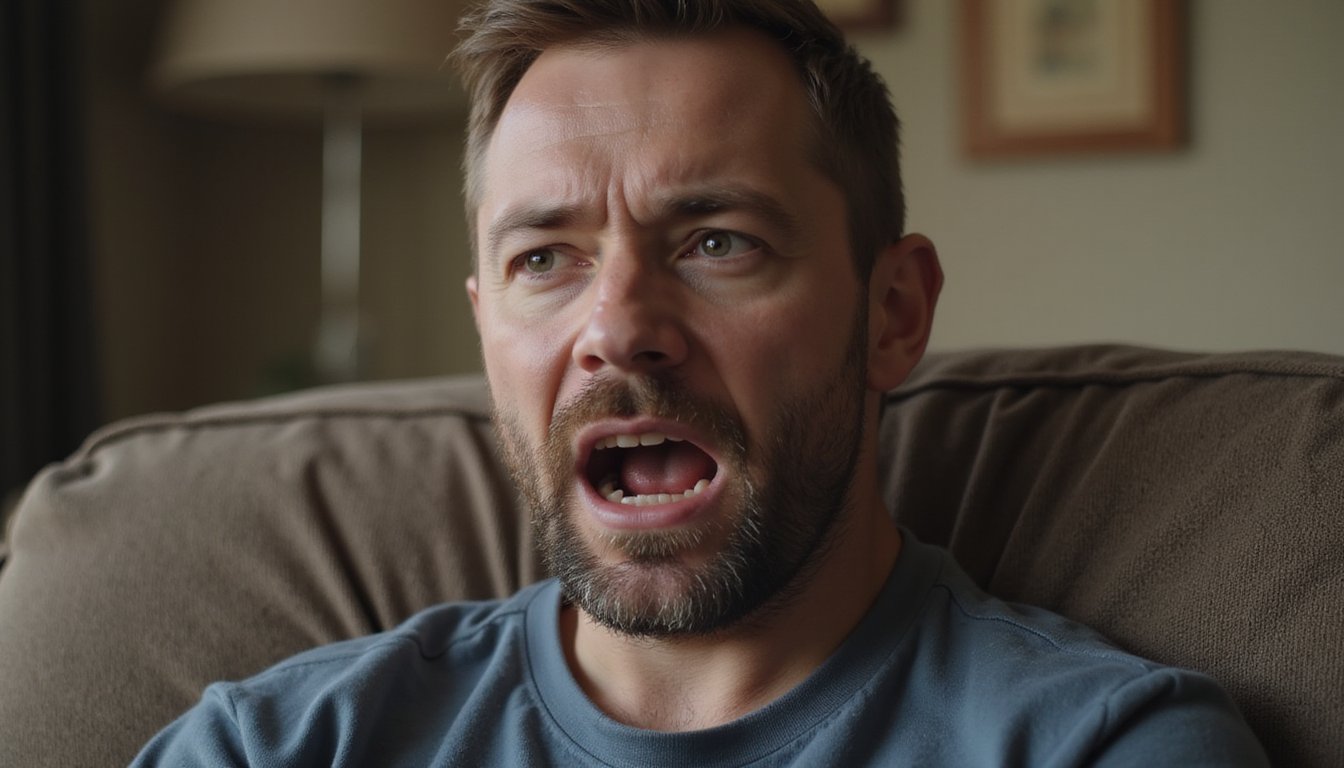
Once your amygdala fires, a neurochemical cascade and sympathetic activation flood your system with norepinephrine and adrenaline. Your heart races, blood pressure spikes, and breathing accelerates — all without an external trigger. These responses occur in milliseconds, well before your prefrontal cortex can process what is happening. With a panic attack explained this way, you can see it’s not a character flaw. It’s your brain’s threat-detection system reacting faster than your rational mind can intervene.
Anxiety vs. Panic Attacks: What’s the Difference?
By the definition of a panic attack, these episodes surge abruptly, peak within minutes, and involve severe physical reactions. Anxiety attack physical symptoms build gradually and persist alongside ongoing stressors. Panic attacks can be expected or unexpected, meaning they may occur with a clear trigger or strike without any prior warning.
Panic attacks surge without warning, while anxiety builds slowly—knowing the difference changes how you respond.
Key distinctions include:
- Onset: Panic attacks strike suddenly; anxiety develops in response to identifiable stressors.
- Duration: Panic peaks in 10–30 minutes; anxiety can last hours or months.
- Intensity: Panic consistently feels overwhelming; anxiety ranges from mild to severe.
- Clinical recognition: Only panic attacks appear in the DSM-5-TR, forming the foundation of panic disorder basics.
Why Your Body Goes Into Fight-or-Flight During Panic

| Body System | What Happens | Why It Happens |
|---|---|---|
| Cardiovascular | Heart rate spikes, blood pressure rises | Oxygenated blood rushes to major muscles |
| Respiratory | Breathing quickens and deepens | Increases oxygen supply for action |
| Muscular | Chest tightens, limbs tense | Prepares body for escape or defense |
When the brain detects a stressor, it signals the adrenal glands to release adrenaline and cortisol, which drive these cascading physiological changes throughout the body.
Why Panic Attacks Feel Like a Heart Attack
When a panic attack strikes, the symptoms can so closely mirror those of a heart attack that even healthcare professionals sometimes struggle to tell them apart in the moment. Understanding what causes panic attacks helps you recognize that your anxiety reaction body response produces real, measurable physical changes—not imagined ones.
Key panic attack symptoms that overlap with cardiac events include:
- Chest pain or tightness that feels sharp and stabbing rather than sustained pressure
- Rapid, pounding heart rate driven by adrenaline flooding your system
- Shortness of breath and sweating that intensify your sense of emergency
- Overwhelming dread that convinces you something fatal is happening
These anxiety physical symptoms typically peak within minutes and resolve within 20–30 minutes without intervention.
The Feedback Loop That Makes Panic Attacks Worse

When you experience a panic attack, your mind and body lock into a self-reinforcing cycle that intensifies the very symptoms you’re trying to escape. A single catastrophic thought—like “I’m dying” or “I’m losing control”—triggers your brain’s threat response, flooding your system with adrenaline that accelerates your heart rate, tightens your chest, and shortens your breath. These amplified physical symptoms then feel like proof that something is seriously wrong, which generates more catastrophic thoughts and keeps the loop spinning.
Catastrophic Thought Escalation
Although a single anxious thought might seem harmless on its own, the brain can rapidly transform it into a full-blown crisis through a process called catastrophic thought escalation. Cognitive distortions in thought escalation cause your mind to chain minor worries into worst-case scenarios, fueling the anxiety-fear cycle.
Here’s how one thought spirals:
- You notice a racing heart on your anxiety symptom list and interpret it as dangerous.
- Your brain overestimates the threat’s probability and severity.
- The thought “something’s wrong” escalates into a panic attack, fear of dying.
- Physical symptoms intensify, confirming the catastrophic narrative your mind created.
Each cycle teaches your brain that the perceived danger was real, lowering your threshold for future escalation and reinforcing the pattern.
Adrenaline Amplifies Physical Symptoms
Here’s the critical anxiety episode explanation: your sharpened senses detect these internal changes, and your brain reinterprets them as evidence of danger. This feedback loop amplifies every sensation, convincing your nervous system the threat is escalating—when it’s actually your own stress response intensifying itself.
How Long Panic Attacks Last and Why
Your body simply can’t sustain peak activation indefinitely. Here’s what the timeline typically looks like:
- Symptoms surge abruptly, often without warning
- Common physical symptoms—chest tightness, racing heart, dizziness—peak within 10 minutes
- Intensity gradually decreases as your nervous system recalibrates
- Residual effects like fatigue or unease may linger for hours afterward
If symptoms don’t peak within 10 minutes, you’re likely experiencing sustained high anxiety rather than a classical panic attack. Understanding what panic attack feels like can be crucial in differentiating it from other anxiety-related experiences. Many individuals describe a sense of impending doom, chest tightness, and an overwhelming urge to escape their surroundings. Recognizing these signs early can help manage the situation more effectively and guide individuals toward appropriate coping strategies.
How to Interrupt a Panic Attack in Progress
When a panic attack takes hold, your nervous system is locked in a self-reinforcing cycle of alarm—but you can interrupt it by targeting three specific channels simultaneously. First, you’ll activate your parasympathetic brake through controlled breathing techniques that directly counteract the fight-or-flight response. At the same time, you’ll break the catastrophic thought loop with cognitive reframing and ground your physical senses using deliberate sensory engagement to pull your awareness back into the present moment.
Activate Your Parasympathetic Brake
- Physiological sigh—extend your exhale to stimulate the vagus nerve and counteract anxiety triggers firing your sympathetic system.
- Cold water to the face—activate the dive reflex to automatically slow your heart rate.
- Progressive muscle tension-release—contract muscles for 5–10 seconds, then release to signal safety.
- Grounding and sensory reorientation—use the 5-4-3-2-1 method to redirect your brain from internal alarm to present-moment safety.
Break The Thought Loop
Once the parasympathetic brake begins slowing your body’s alarm response, the next challenge is cognitive—because panic doesn’t just live in your chest and limbs. It feeds on catastrophic thinking. By anxiety definition, this response evolved to protect you—but during a panic attack, your mind misreads safety as danger.
Mindfulness and present-moment orientation redirect your attention from racing thoughts toward immediate sensory details—what you see, hear, and touch right now. This cognitive anchor counters emotional anxiety symptoms like dread and detachment.
Then apply thought interruption through perspective shifting: remind yourself this is temporary, not dangerous. Your body’s reacting to a false alarm. You won’t collapse. You won’t stop breathing. Accepting these sensations without resistance allows the panic cycle to naturally exhaust itself.
Ground Your Physical Senses
Redirecting your thoughts away from catastrophic loops is a powerful cognitive strategy—but panic also hijacks your body’s sensory processing, making abstract reasoning alone insufficient. By definition, anxiety is a dysregulated stress response system—so grounding techniques work by reclaiming sensory control from the bottom up.
Understanding anxiety means recognizing that your senses are direct pathways to calm. Use these evidence-based methods to interrupt panic physically:
- 5-4-3-2-1 Sensory Technique: Identify 5 things you see, 4 you feel, 3 you hear, 2 you smell, and 1 you taste to reorient your amygdala toward present-moment awareness.
- Cold Water Reset: Run cold water over your hands or hold ice cubes to override panic through sensory activation.
- Tactile Object Engagement: Grip a stone or coin, describing its texture and shape to sustain grounding feedback.
- Diaphragmatic Breathing: Inhale for 4 seconds, exhale for 6, concentrating on your belly’s rise and fall.
Help Is Here, and Healing Is Possible
Your mind and body are deeply connected, and healing one means caring for the other. At Dynamic Behavioral Health, we provide trusted Anxiety Treatment that supports your overall well-being and sets you on the path to long-term recovery. Reach out to us at +1 (820) 200-5275 and take the first brave step toward a healthier and happier you.
Frequently Asked Questions
Can Panic Attacks Cause Permanent Damage to Your Heart or Brain?
A single panic attack won’t permanently damage your heart or brain. However, frequent, recurring panic attacks can take a cumulative toll. They elevate stress hormones like cortisol and adrenaline, which over time increase inflammation, blood pressure, and arterial plaque buildup. Research shows you’d face a 74% greater risk of cardiovascular events with chronic anxiety. If you’re experiencing repeated episodes, seeking treatment isn’t just about comfort—it’s protecting your long-term cardiovascular health.
Why Do Some People Develop Panic Disorder While Others Never Do?
Your risk depends on a combination of genetics, brain chemistry, and life experiences. If a first-degree relative has panic disorder, you’re roughly four times more likely to develop it yourself. Inherited traits like an overactive amygdala or neurotransmitter imbalances can create a hair-trigger stress response. When you add environmental factors—trauma, chronic stress, or growing up around anxiety—they can activate that genetic predisposition, pushing you past the threshold others never reach.
Can Children Experience Panic Attacks the Same Way Adults Do?
Yes, children can experience panic attacks with many of the same physical symptoms you’d see in adults—racing heartbeat, shortness of breath, dizziness, and trembling. However, there’s a key difference: children can’t rationalize what’s happening. Their underdeveloped prefrontal cortex limits their ability to challenge fearful thoughts, so they’ll often express panic through behavioral reactions like tantrums or clinginess rather than verbally identifying their distress.
Are Panic Attacks Genetic or Caused by Environmental Factors?
Panic attacks stem from both genetic and environmental factors. If you have a first-degree relative with panic disorder, you’re up to 17 times more likely to develop it yourself. Twin studies show heritability estimates as high as 0.48, confirming a substantial genetic influence. However, no single gene explains panic disorder—instead, dozens of genetic variants interact with your life experiences, stress levels, and environment to shape your overall vulnerability.
Can Certain Foods or Caffeine Trigger a Panic Attack?
Yes, certain foods and caffeine can trigger panic attacks. When you consume caffeine, it stimulates your nervous system, releases stress hormones like cortisol and adrenaline, and mimics anxiety symptoms—potentially sparking a full panic response. Sugary foods and refined carbs cause blood sugar spikes and crashes that produce adrenaline surges. Highly processed foods and trans fats also worsen anxiety by disrupting digestion and brain chemistry, creating physical sensations you might misinterpret as danger.