






A panic attack strikes like a full-body false alarm—your heart races, your chest tightens, your hands tingle, and overwhelming dread convinces you you’re dying, all within seconds. Symptoms typically peak around the 10-minute mark and fade within 20 to 30 minutes. Afterward, you’ll likely feel exhausted, foggy, and emotionally drained, though no lasting physical harm occurs. Understanding each phase—from the initial surge to the lingering aftereffects—can help you recognize what’s happening and respond with confidence. Learning how to calm panic attack fast can provide immediate relief and shorten the duration of distress. Techniques like deep breathing, grounding exercises, and visualization can help regain control in the moment.
How a Panic Attack Feels the Moment It Hits
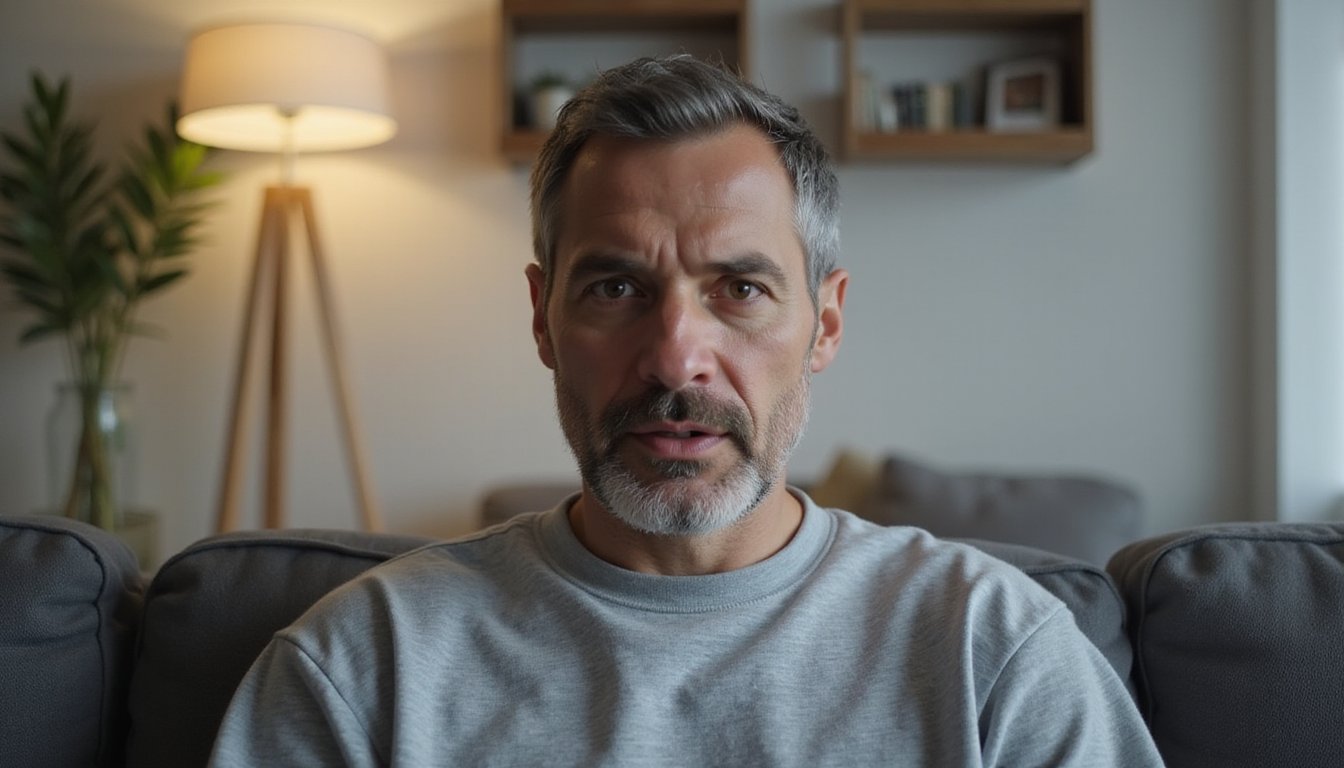
Recognizing panic attack signs early matters. Tingling extremities, dizziness, chest tightness, and nausea often appear together, creating an overwhelming sensory cascade. Understanding these panic attack symptoms won’t prevent episodes, but it reduces the secondary fear that amplifies them. These physical sensations typically peak within 10 minutes and may persist for 5 to 20 minutes before gradually subsiding.
Why a Panic Attack Feels Like a Heart Attack
Overlap—not imagination—drives the confusion between panic attacks and heart attacks. Your sympathetic nervous system floods your body with adrenaline and cortisol, triggering chest pain panic attack sufferers can’t distinguish from cardiac events without medical evaluation. When your heart starts racing, chest pressure builds, and breathing tightens, you’re experiencing identical physiological cascades regardless of the cause.
The diagnostic overlap and medical assessment challenges are significant. Panic attack symptoms—including nausea, sweating, dizziness, and a panic attack heart racing pattern—mirror cardiac emergencies so closely that EKG testing remains the definitive differentiator. You shouldn’t self-diagnose. If you’ve never experienced these symptoms before, seek emergency evaluation. The crossover between conditions demands professional assessment, not guesswork. One key distinction is that panic attack symptoms typically fade within 20-30 minutes, while heart attack symptoms persist or worsen over time. what anxiety feels like can often be just as overwhelming as physical ailments. Individuals may experience a tightness in their chest, difficulty breathing, or an intense sense of dread that complicates everyday tasks.
Your Mind During a Panic Attack: Dread, Detachment, and Racing Thoughts

During a panic attack, your mind floods with an overwhelming sense of dread that feels absolute and inescapable, even when no identifiable threat exists. You may simultaneously experience derealization or depersonalization—a disturbing detachment from your surroundings or your own body that makes everything feel unreal. These dissociative shifts fuel irrational racing thoughts, as your mind urgently scans for danger and misinterprets every sensation as evidence of catastrophe. This terrifying mental spiral can strike without warning at any time, even disrupting your sleep, which intensifies the sense that nowhere feels safe.
Overwhelming Sense Of Dread
When a panic attack strikes, your mind doesn’t simply register fear—it generates an absolute conviction that something catastrophic is happening right now. This sense of impending doom ranks among the most distressing panic attack symptoms, driving catastrophic thinking that interprets every bodily sensation as life-threatening.
You’ll typically experience:
- Absolute certainty that death or a medical emergency is imminent
- Catastrophic misinterpretation of normal sensations, such as believing chest tightness signals a heart attack
- Overwhelming terror that peaks within minutes yet feels endless
- Anticipatory anxiety that lingers after the episode, fueling dread about future attacks
This dread isn’t rational—it’s neurological. Your threat-detection system has misfired, producing genuine terror without genuine danger. Recognizing this pattern is your first step toward reclaiming control.
Feeling Detached From Reality
Depersonalization disconnects you from your own body. You may feel robotic, observe yourself from a distance, or sense that your limbs don’t belong to you. Derealization distorts your surroundings—familiar places appear dreamlike, flat, or shrouded in fog.
Hyperventilation during panic impairs oxygen delivery to your brain, triggering confusion and unreality. Simultaneously, your frontal lobe suppresses emotional processing, producing involuntary numbness. This combination of heightened vigilance and emotional shutdown creates the feeling detached from reality sensation many describe.
When both symptoms co-occur, you may fear you’re losing your mind—a misinterpretation that intensifies and prolongs the detachment itself.
Irrational Racing Thought Patterns
Alongside the detachment and dread, your mind launches into overdrive—thoughts accelerate past rational reasoning, swirling so fast you can’t latch onto a single one. These racing thoughts rank among the most distressing panic attack symptoms, driven by an overactive amygdala hijacking your prefrontal cortex’s ability to assess risk accurately.
During the peak of panic attack duration, catastrophic thinking patterns typically intensify through predictable distortions:
- Magnification of risk: Minor physical sensations become perceived heart attacks
- “What if” flooding: Your mind cascades through worst-case scenarios without logical progression
- Repetitive rumination: The same fear cycles relentlessly despite conscious effort to stop it
- Unpredictable thought-jumping: Worries bounce between unrelated subjects without coherent connection
Your brain fundamentally can’t distinguish real danger from imagined threats, fueling the cycle.
How Long Does a Panic Attack Actually Last?

| Phase | What You Experience |
|---|---|
| 0–10 minutes | Rapid escalation: chest pain, racing heart, terror peaking |
| 10–20 minutes | Symptoms gradually fade; breathing steadies |
| 20–60 minutes | Residual shakiness, emotional exhaustion, vulnerability |
If symptoms don’t peak within 10 minutes, you’re likely experiencing sustained high anxiety rather than a discrete panic attack. Understanding the anxiety and panic attacks difference can help individuals recognize their experiences more clearly. While panic attacks are often sudden and intense, anxiety may build gradually and persist over time. By distinguishing between the two, individuals can better seek appropriate support and treatment.
What Happens to Your Body After a Panic Attack?
Common aftereffects include:
- Post panic attack fatigue and muscle soreness from sustained fight-or-flight activation
- Brain fog, difficulty concentrating, and cognitive sluggishness
- Trembling, nausea, and lingering chest tightness from hyperventilation
- Emotional vulnerability, irritability, and persistent dread
The panic attack emotional aftermath can last hours or even days. Your parasympathetic nervous system needs time to restore equilibrium, and multiple brain regions—including the amygdala and hippocampus—must recalibrate. You’ll likely feel drained. That’s your nervous system recovering, not failing.
Why Panic Attacks Feel Dangerous but Aren’t
Your panic symptoms can so closely mimic conditions like heart attacks, strokes, or respiratory emergencies that your brain genuinely interprets them as life-threatening—even though they’re not. The chest pain, racing heart, and breathlessness you experience are real sensations produced by your sympathetic nervous system misfiring, not by actual organ failure or physical danger. Despite the extreme intensity of these episodes, panic attacks don’t cause lasting physical harm to your heart, brain, or body.
Mimicking Life-Threatening Conditions
Because panic attacks trigger the same fight-or-flight cascade that actual cardiac emergencies do, your body can’t distinguish between a perceived threat and a real one. Your panic attack symptoms—chest pain, racing heart, sweating, trembling—mirror those of serious cardiac events almost exactly.
Several common heart conditions producing panic-like symptoms complicate self-assessment:
- Atrial fibrillation produces palpitations and lightheadedness nearly indistinguishable from anxiety
- Mitral valve prolapse triggers chest discomfort and fatigue that worsen under stress
- Supraventricular tachycardia causes sudden racing at 150–250 bpm, provoking secondary panic
- POTS generates dizziness and brain fog often misattributed to anxiety disorders
Understanding temporal and onset characteristics distinguishing panic from cardiac events matters. Panic attack shortness of breath typically peaks within 10 minutes and self-resolves. If symptoms persist beyond 30 minutes, seek emergency evaluation.
No Lasting Physical Harm
| Perceived Threat | Actual Risk | Resolution |
|---|---|---|
| Heart attack | No cardiac damage | Spontaneous recovery |
| Suffocation | No respiratory injury | Breathing normalizes |
| Organ failure | No organ damage | Complete restoration |
Your panic attack recovery process involves full physiological restoration without medical intervention. Single or occasional episodes produce no lasting consequences, and no cumulative damage occurs from sporadic events.
However, chronic panic disorder symptoms warrant clinical attention, as repeated episodes can disrupt sleep and potentially aggravate pre-existing cardiac conditions. Treatment effectively reduces frequency and severity.
Help Is Here and Healing Is Possible
Recognizing what your body and mind go through is a powerful part of your healing journey. At Dynamic Behavioral Health, we provide comprehensive Mental Health Assessment services to help identify your needs and put you on the right path forward. Pick up the phone and call +1 (820) 200-5275 — your journey toward clarity and healing starts today.
Frequently Asked Questions
Can Panic Attacks Happen While You Are Sleeping at Night?
Yes, you can experience panic attacks while you’re sleeping. Called nocturnal panic attacks, these episodes wake you suddenly with intense fear, rapid heartbeat, shortness of breath, and sweating—even without a nightmare or obvious trigger. They occur during non-REM sleep and you’ll typically remember them, unlike night terrors. Over time, they can create a fear of sleeping that disrupts your rest and daytime functioning.
How Often Do Most People Experience Panic Attacks per Month?
There’s no single “typical” frequency — it varies widely from person to person. You might experience panic attacks several times a week, a few times a month, or only a couple per year. Some people have just one or two attacks in their entire lifetime and never develop a recurring pattern. If you’re having repeated, unexpected attacks with persistent worry about the next one, that pattern may point toward panic disorder.
Can Children and Teenagers Experience Panic Attacks Like Adults Do?
Yes, children and teenagers can absolutely experience panic attacks just like adults. They’ll have the same racing heartbeat, chest pain, trembling, and fear of dying. However, teens often express symptoms more dramatically—through screaming, crying, or hyperventilating. They’re also more likely to develop avoidance behaviors, like refusing school or isolating from friends. Symptoms typically begin during adolescence, and you shouldn’t dismiss them, as early intervention prevents progression to agoraphobia.
Do Panic Attacks Ever Cause Permanent Damage to Your Brain?
Panic attacks don’t cause permanent brain damage. While chronic, untreated anxiety can temporarily alter structures like your amygdala, hippocampus, and prefrontal cortex, these changes aren’t equivalent to damage from stroke or injury. Your brain possesses remarkable plasticity—it can heal and form new connections. Treatments like CBT, antidepressants, and regular exercise actively reverse stress-induced changes. Early intervention matters, though, because prolonged untreated anxiety increases your risk of persistent neurological shifts.
Can Certain Foods or Drinks Trigger a Panic Attack Unexpectedly?
Yes, certain foods and drinks can unexpectedly trigger panic attacks. When you consume excess caffeine, it doubles your adrenaline levels and mimics anxiety symptoms like rapid heartbeat and jitteriness. High-sugar beverages cause blood sugar spikes that produce sweating and palpitations. Processed foods create digestive discomfort that resembles panic sensations, while alcohol disrupts your brain’s serotonin levels. You’ll want to monitor these dietary triggers alongside your panic management strategy.